 listicle
7 Ways to Improve Recovery With Peptide Therapy
Table of Contents
- 1. Accelerate Tissue Repair and Collagen Synthesis
- 2. Benefits of BPC-157 for Recovery and Soft Tissue Healing
- 3. Reduce Systemic Inflammation and Accelerate Post-Operative Care
- 4. Enhance Muscle Growth and Prevent Atrophy During Recovery
- 5. Improve Sleep Quality and Hormonal Balance for Physical Resilience
- 6. How Long Does Peptide Therapy Take to Work
- 7. Peptide Therapy Safety and Regulations: What You Need to Know
- Conclusion
- Frequently Asked Questions
Last Updated: September 17, 2026
Peptide therapy is emerging as a powerful recovery tool for athletes, post-surgical patients, and anyone seeking to optimize physical resilience. Peptide therapy is emerging as a powerful recovery tool for athletes, post-surgical patients, and anyone seeking to optimize physical resilience. This guide covers 7 ways to improve recovery with peptide therapy, from tissue repair and muscle growth to sleep optimization and safety protocols. This guide covers 7 ways to improve recovery with peptide therapy, from tissue repair and muscle growth to sleep optimization and safety protocols.
Peptides function as signaling molecules that trigger collagen synthesis, angiogenesis, and tissue rejuvenation. Below, we'll walk through each strategy with practical timelines, realistic expectations, and safety considerations.
Quick Picks:
- Best for Soft Tissue Repair: BPC-157, accelerates collagen synthesis and tendon healing
- Best for Muscle Recovery: TB-500 (Thymosin Beta-4), enhances physical resilience and prevents atrophy
- Best for Sleep & Hormones: CJC-1295/Ipamorelin, improves sleep quality and supports lean muscle retention
1. Accelerate Tissue Repair and Collagen Synthesis
Collagen is the structural foundation of tendons, ligaments, and connective tissue. Peptide therapy accelerates recovery by signaling fibroblasts to increase collagen production and restore tensile strength.
BPC-157 and TB-500 trigger cellular regeneration through different mechanisms, both improving wound healing and connective tissue repair for faster recovery from sprains, tendon injuries, and post-operative incisions.
Shorter protocols may show early improvements, but full tensile strength restoration requires sustained peptide signaling.
2. Benefits of BPC-157 for Recovery and Soft Tissue Healing
BPC-157 is a synthetic peptide derived from protective compounds in gastric juice, designed to accelerate healing of soft tissue, tendons, ligaments, muscle fibers, and gut lining.
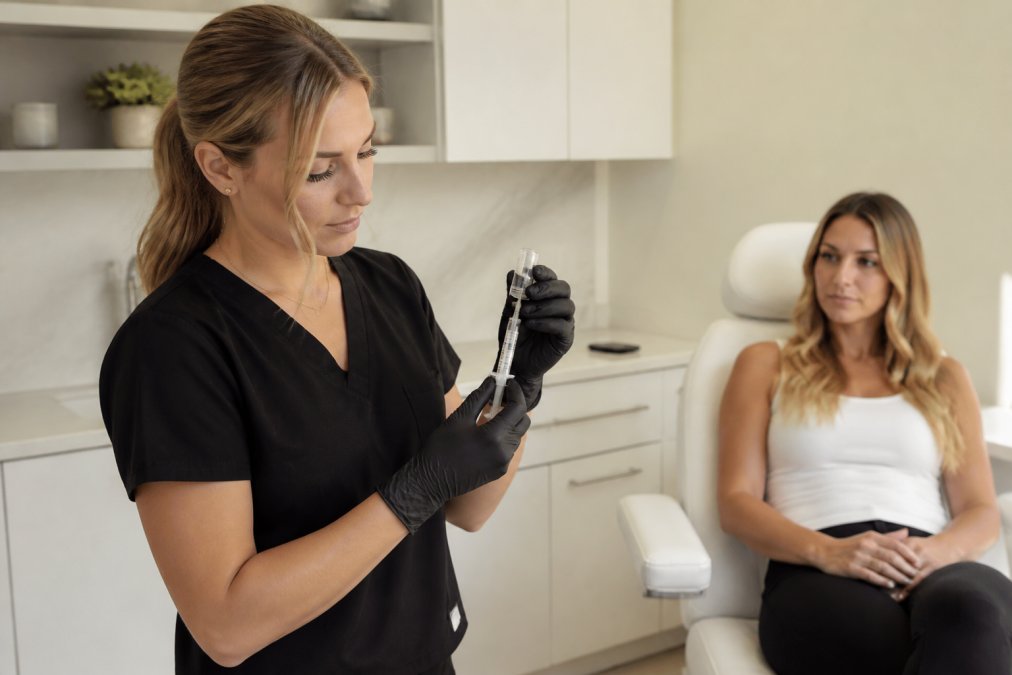
BPC-157 increases blood flow to injured areas, stimulates collagen production, and reduces systemic inflammation. For post-operative orthopedic care, it's one of the most researched peptides for incision healing and tissue recovery.
Common applications include:
- Rotator cuff tears and shoulder recovery
- Achilles tendon injuries and tendonitis
- Post-surgical wound healing and scar tissue management
- Chronic muscle strains and ligament damage
- Gut health and intestinal barrier repair
3. Reduce Systemic Inflammation and Accelerate Post-Operative Care
Excessive systemic inflammation prolongs recovery and increases pain. Peptide therapy targets inflammatory pathways, calming the immune response while allowing healing to proceed efficiently.
After surgery, the inflammatory phase typically lasts 2-4 weeks. During this window, peptides reduce swelling, decrease pain medication dependence, and accelerate rehabilitation.
TB-500 reduces inflammatory cytokines by promoting cell migration, making it valuable for post-operative patients who want to start physical therapy sooner without excessive pain.
Common post-operative scenarios where peptide therapy helps:
- ACL reconstruction and knee surgery recovery
- Spinal fusion and back surgery rehabilitation
- Shoulder surgery and rotator cuff repair
- Joint replacement and cartilage repair
- General surgical recovery and incision healing
4. Enhance Muscle Growth and Prevent Atrophy During Recovery
During immobilization, muscle loss accelerates at 1-2% per week. Even after tissue heals, strength and functional capacity are compromised.
Peptide therapy signals muscle cells to maintain protein synthesis and prevent atrophy. TB-500 and CJC-1295/Ipamorelin support muscle hypertrophy and lean mass retention.
TB-500 enhances muscle growth by promoting cell migration and increasing blood flow, supporting faster nutrient delivery and waste removal. CJC-1295/Ipamorelin stimulates natural growth hormone production, driving lean muscle retention and fat metabolism.
5. Improve Sleep Quality and Hormonal Balance for Physical Resilience
Growth hormone peaks during deep sleep, when your body rebuilds muscle, repairs tissue, and consolidates training adaptations. Poor sleep sabotages all other recovery efforts.
CJC-1295 and Ipamorelin stimulate the pituitary gland to release more natural growth hormone, resulting in deeper sleep and more time in restorative stages where physical resilience improves.
This is particularly valuable for middle-aged and older adults, whose growth hormone levels drop 50% or more by age 50-60. CJC-1295/Ipamorelin restores more youthful hormone levels, improving sleep quality and metabolic health.
Improved hormonal balance supports fat metabolism, reduces fatigue, enhances workout performance, and accelerates recovery between training sessions.
6. How Long Does Peptide Therapy Take to Work
Recovery timelines vary by peptide type, injury severity, and individual factors. Here's what to expect:
| Peptide | Timeline to First Results | Full Optimization | Best For |
|---|---|---|---|
| BPC-157 | 2-4 weeks | 12-16 weeks | Soft tissue repair, post-operative healing |
| TB-500 | 3-6 weeks | 12-20 weeks | Muscle recovery, connective tissue repair |
| CJC-1295/Ipamorelin | 2-3 weeks | 12-16 weeks | Sleep quality, hormonal balance |
Early Phase (Weeks 1-4): Most patients report reduced pain and improved sleep within 2-4 weeks, with inflammation declining by week 3.
Mid Phase (Weeks 5-12): Collagen synthesis accelerates, muscle strength improves, and functional mobility increases. Post-operative patients often transition to active rehabilitation.
Optimization Phase (Weeks 12-20): Full tissue remodeling occurs, tendons regain tensile strength, and hormonal balance stabilizes.
Younger patients with good baseline health and consistent rehabilitation typically see faster results; older patients or those with comorbidities may progress more slowly.
7. Peptide Therapy Safety and Regulations: What You Need to Know
Peptide therapy exists in a complex regulatory landscape. Understanding the rules, contraindications, and monitoring requirements is essential before starting.
Regulatory Status
Most recovery peptides (BPC-157, TB-500, CJC-1295, Ipamorelin) are not FDA-approved but can be prescribed off-label by licensed medical practitioners. FDA approval requires extensive clinical trials; peptides outside this process may have variable quality and potency. Working with a licensed medical provider who sources from reputable compounding pharmacies is critical. PuraBella Wellness sources peptides from licensed compounding facilities.
Contraindications and Drug Interactions
Key contraindications include active or prior cancer, severe liver or kidney disease, uncontrolled diabetes, pregnancy or breastfeeding, and severe cardiovascular disease.
Certain medications warrant caution: diabetes medications, blood pressure medications, and immunosuppressants. Always disclose your full medication list and medical history to your practitioner.
Post-Administration Monitoring
Your practitioner should establish baseline health markers, monitor injection sites, and reassess outcomes. Common side effects are mild: temporary injection site redness, slight fatigue, or mild headaches. Serious adverse reactions are rare with reputable sources and medical supervision.
Conclusion
Peptide therapy offers a science-backed pathway to accelerate recovery, reduce inflammation, and optimize physical resilience. The 7 ways to improve recovery with peptide therapy represent the most evidence-supported applications.
Early improvements appear within 2-4 weeks, but structural healing takes time.
At PuraBella Wellness, our team specializes in personalized peptide protocols tailored to your specific recovery goals. Whether you're recovering from surgery, managing chronic soft tissue damage, or optimizing athletic performance, we combine peptide therapy with comprehensive medical oversight, advanced diagnostics, and integrated wellness support. Our practitioners source peptides from licensed compounding facilities, monitor your progress systematically, and adjust your protocol based on real outcomes.
Ready to accelerate your recovery? Book Now with PuraBella Wellness and start your personalized peptide therapy journey today.
Frequently Asked Questions
How do peptides help with muscle recovery?
Peptides like BPC-157 and TB-500 stimulate cellular regeneration and angiogenesis, improving blood flow to damaged muscle tissue. They signal your body to increase collagen synthesis and reduce inflammation, which accelerates the repair of muscle fibers and connective tissue. This cellular-level support helps restore strength and function faster than natural recovery alone.
How long does peptide therapy take to work?
Individual timelines vary based on injury severity, peptide selection, and your body's response. A qualified practitioner can set realistic expectations during your initial consultation.
Is peptide therapy safe for long-term recovery support?
Peptide therapy administered under professional medical supervision, when sourced through licensed providers, requires careful consideration. However, peptides are not FDA-approved drugs, and quality and purity vary significantly depending on the source. Safety depends on using peptides obtained through legitimate medical channels, following prescribed dosing protocols, and regular monitoring by a qualified healthcare provider. Always disclose any medications or health conditions before starting therapy.
What's the difference between BPC-157 and TB-500 for recovery?
BPC-157 excels at localized tissue repair, particularly for soft tissues, tendons, and gut health, and is often used for acute injuries. TB-500 (Thymosin Beta-4) promotes broader systemic healing through angiogenesis and cell migration, making it effective for connective tissue and muscle recovery. Many practitioners use both peptides together in stacking protocols for synergistic effects, addressing both localized damage and overall physical resilience.