 ultimate-guide
Benefits of Medical Aesthetics for Women
Table of Contents
- What Medical Aesthetics Offers Women
- How Natural Looking Aesthetic Facial Treatments Address Common Skin Concerns
- The Physical and Psychological Impact of Aesthetic Treatments
- Medical Aesthetics Recovery Time and What to Expect
- How to Choose a Medical Aesthetic Provider
- Long-Term Results and Maintenance Planning
- Combining Medical Aesthetics with Your Broader Wellness Goals
- Frequently Asked Questions
Last Updated: September 1, 2026
What Medical Aesthetics Offers Women
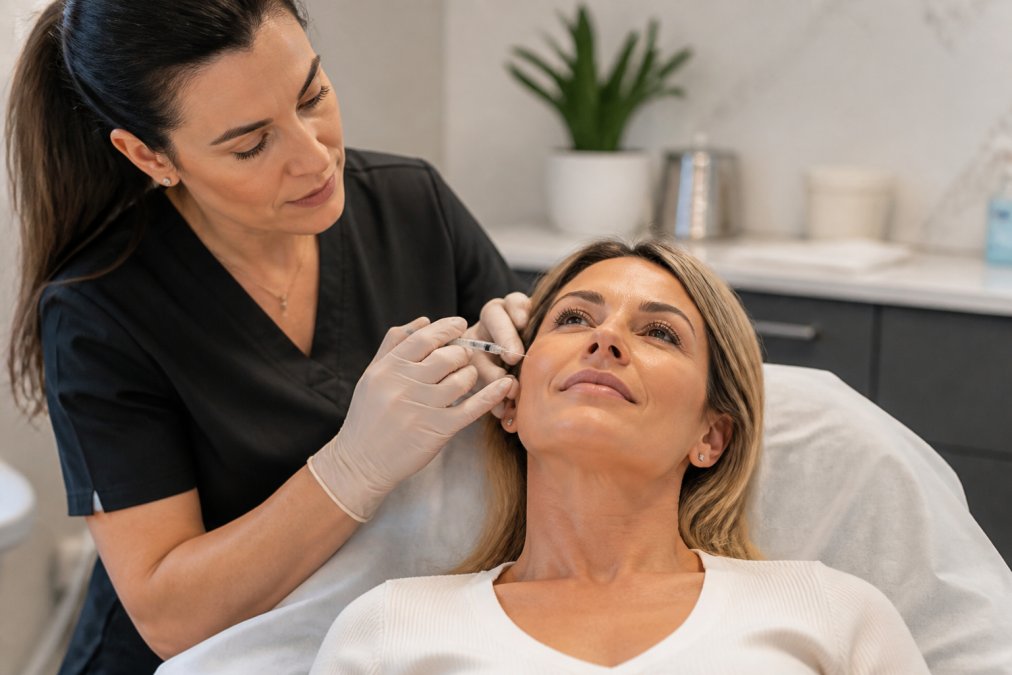
Medical aesthetics represents a shift in how women approach aging and skin health. Rather than accepting visible signs of time as inevitable, this field uses clinically-proven techniques to address specific concerns while maintaining a natural appearance. The distinction matters: medical aesthetics isn't about erasing age or chasing an artificial look. It's about strategic intervention where it counts most.
At PuraBella Wellness, we offer a personalized path to wellness. The treatments available today work differently than they did five years ago. Technology has advanced. Results look better. Recovery times have shortened. What once required weeks of downtime now often means minimal disruption to daily life.
Medical aesthetics for women encompasses a range of approaches, from injectables that smooth fine lines to laser therapies that improve skin texture and tone. Each addresses specific concerns. Each has a timeline for results. Each fits into a broader wellness strategy when approached correctly. The key is understanding what each treatment actually does, what realistic outcomes look like, and how to combine approaches for cumulative benefit without overdoing it.
How Natural Looking Aesthetic Facial Treatments Address Common Skin Concerns
The most common question we hear is whether results will look natural. This concern is valid. A poorly executed aesthetic treatment is obvious. A well-executed one shouldn't be.
Natural looking aesthetic facial treatments work because they respect facial anatomy and proportions. Rather than adding volume indiscriminately or freezing expression entirely, skilled practitioners use precise placement and conservative dosing. The goal is refinement, not transformation. A woman should look like herself, a better-rested, more radiant version.
Fine lines and wrinkles respond well to treatments that stimulate collagen production or relax muscles causing expression lines. Hyaluronic acid fillers restore volume loss in cheeks and lips without creating the overfilled appearance common in less experienced hands. Laser therapy addresses pigmentation irregularities, age spots, and skin texture concerns by triggering cellular turnover without aggressive resurfacing.
Rosacea, a chronic condition causing facial redness and visible blood vessels, responds to certain laser treatments that target vascular lesions specifically. Acne scarring, a concern many women carry from their 20s and 30s, improves with fractional laser therapy or microneedling approaches that stimulate new collagen formation in depressed scars. Skin laxity, the loss of firmness that comes with age, can be addressed through treatments that tighten deeper skin layers without surgery.
The common thread across these concerns is this: medical aesthetics works best when it targets the actual problem rather than applying a one-size-fits-all solution. A woman with primarily pigmentation concerns needs a different approach than one with volume loss. Someone with rosacea needs precision targeting, not broad-spectrum treatment.
The Physical and Psychological Impact of Aesthetic Treatments
The physical benefits are straightforward: improved skin texture, reduced visible signs of aging, better skin health overall. But the psychological impact often matters more.
Women frequently report that looking better translates directly into feeling better. This isn't vanity. It's the documented reality of how appearance affects self-perception and social confidence. When a woman sees improvement in her skin, when fine lines soften, when age spots fade, when her complexion looks more luminous, she often reports feeling more like herself. More present. More willing to engage socially and professionally.
This extends beyond simple confidence. Research in aesthetic medicine consistently shows that patients who feel better about their appearance report improvements in quality of life metrics: they're more likely to pursue social activities, they experience less anxiety in professional settings, they feel more comfortable in photographs and on video calls (peer-reviewed research). For women in their 50s and 60s navigating career transitions or life changes, this psychological shift can be significant.
The physical effects of aesthetic treatments also intersect with broader wellness. Improved skin health through laser therapy and collagen-stimulating treatments supports better skin barrier function, which means better hydration and less irritation over time. Treatments that stimulate collagen production don't just address visible aging, they improve underlying skin quality, making skin more resilient and better able to repair itself.
Many women find that aesthetic treatments serve as a catalyst for broader wellness engagement. Once they invest in their appearance through medical aesthetics, they often become more attentive to nutrition, hydration, sun protection, and other factors that support skin health. The psychological investment in looking better becomes an entry point to feeling better more comprehensively.
Medical Aesthetics Recovery Time and What to Expect
One of the biggest barriers to pursuing aesthetic treatments is fear of downtime. The outdated assumption is that any real result requires visible recovery. This is no longer accurate.
Most modern medical aesthetics procedures fall into the "minimal downtime" category. Laser treatments like NeoGen, which stimulate collagen through controlled thermal energy, typically result in mild redness that resolves within hours to a day. Hyaluronic acid fillers require no recovery time, patients can return to normal activity immediately, though some mild swelling may appear in the first 24-48 hours.
Microneedling, which creates controlled micro-injuries to stimulate collagen, results in mild redness and sensitivity that typically resolves within 24-48 hours. Treatments targeting rosacea or pigmentation may require slightly more recovery time depending on intensity, but even aggressive fractional laser therapy rarely requires more than a few days of limited sun exposure and activity modification.
The key variable is treatment intensity. A conservative approach to fine lines requires less recovery than addressing significant skin laxity or deep scarring. This is where customization matters again: discussing realistic recovery expectations with your provider before treatment prevents surprises and allows you to schedule appropriately.
Most women can schedule aesthetic treatments on a Friday and return to work Monday with minimal visible evidence of treatment. Some prefer to plan around social events or video presentations, but the necessity for extended downtime is largely a myth for modern procedures.
How to Choose a Medical Aesthetic Provider
The difference between natural-looking results and overdone outcomes often comes down to provider skill and philosophy. This decision deserves careful evaluation.
Start by understanding credentials. A qualified medical aesthetic provider should have formal training in dermatology, plastic surgery, or related medical fields. They should be licensed to perform the specific treatments they're offering. Beyond credentials, look for evidence of ongoing education, the field evolves constantly, and providers committed to excellence stay current with new techniques and safety protocols.
Ask specifically about their approach to natural results. How do they define "natural"? How do they decide on treatment intensity? Do they emphasize conservative initial treatment with the option to add more, or do they recommend aggressive approaches? A provider who starts conservatively and adjusts based on results typically delivers better outcomes than one who recommends maximum treatment immediately.
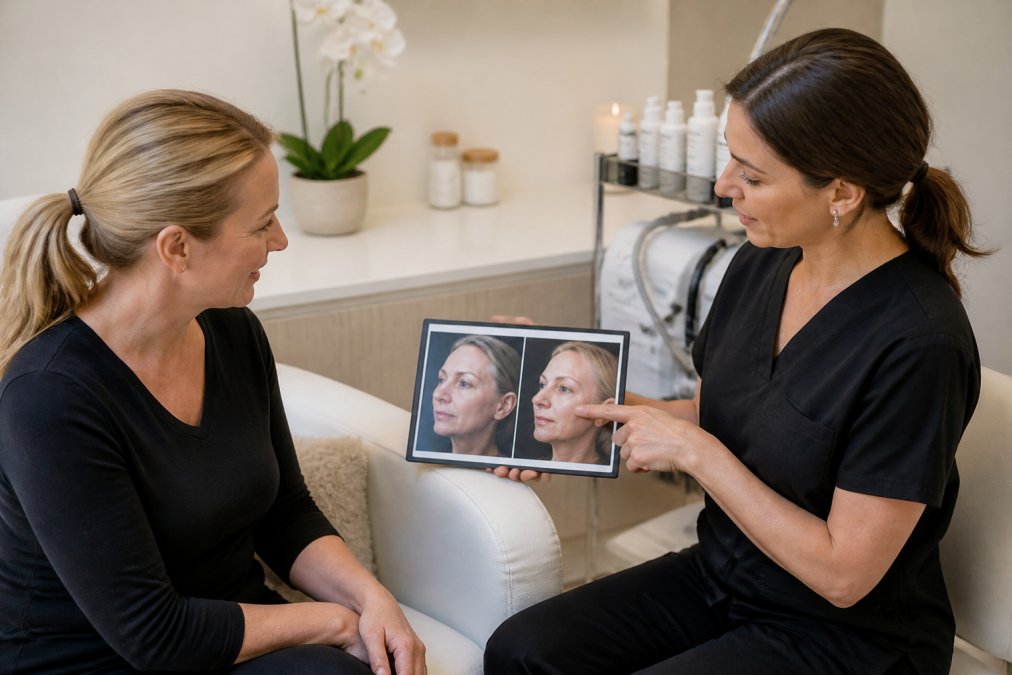
Request before-and-after photos of actual patients, ideally patients similar in age and with similar concerns to yours. Look for consistency in results. Do the photos show natural improvement or obvious transformation? Are the results varied, or does every patient look similar? Consistency suggests a provider with a clear philosophy and technique. Variation might indicate less refined approach or adjustment to individual patient needs, context matters.
PuraBella Wellness emphasizes personalized consultation before any treatment. This means discussing your specific goals, your concerns about natural appearance, your timeline for results, and how aesthetic treatments fit into your broader wellness picture. A good provider asks as many questions as you do.
Consider also the environment and support structure. Do you feel comfortable and heard during consultation? Is the clinic professional and clean? Do staff members seem knowledgeable and supportive? The clinical environment and team approach matter because aesthetic treatment is as much about feeling cared for as it is about the procedure itself.
Long-Term Results and Maintenance Planning
This is where many women's expectations diverge from reality. Medical aesthetic results are not permanent. Understanding this upfront prevents disappointment and allows for realistic planning.
Most aesthetic treatments require maintenance. Hyaluronic acid fillers typically last 6-12 months depending on location and individual metabolism (the American Academy of Dermatology). Collagen-stimulating treatments like laser therapy or microneedling produce results that improve over months as collagen rebuilds, but the aging process continues. Preventative treatments, those aimed at slowing visible aging rather than correcting existing damage, require ongoing attention.
This isn't a flaw in the treatments. It's a reflection of how aging works. Your skin continues to age. Sun exposure continues to damage. Gravity continues to pull. The goal of long-term aesthetic planning is to work with these processes rather than against them, using strategic interventions to slow visible aging while maintaining natural appearance.
Many women find that combining treatments creates better long-term outcomes than relying on any single approach. For example, regular collagen-stimulating laser treatments maintain skin quality and texture, while periodic filler treatments address volume loss. This combination approach, sometimes called "aesthetic maintenance", allows for more conservative use of each treatment while producing cumulative benefit.
The financial reality of aesthetic maintenance deserves honest discussion. Regular treatments require ongoing investment. Some women budget for quarterly laser treatments, annual filler touch-ups, and supportive skincare. Others take a more minimal approach, using treatments selectively for specific concerns. Neither approach is wrong, it depends on your priorities and resources.
What matters is planning intentionally rather than reactively. A woman who decides in advance that she'll invest in quarterly laser treatments for skin quality maintenance can budget accordingly and schedule consistently. One who waits until she notices significant aging and then pursues aggressive treatment often spends more money and achieves less natural results.
Combining Medical Aesthetics with Your Broader Wellness Goals
Medical aesthetics doesn't exist in isolation. It works best as part of a comprehensive wellness approach that includes nutrition, movement, sleep, stress management, and skincare.
This is where PuraBella Wellness's integrated approach makes a meaningful difference. Rather than treating aesthetic concerns separately from overall health, we work with clients to understand how these connect. A woman pursuing skin rejuvenation through aesthetic treatments benefits tremendously from attention to hydration, antioxidant intake, and sun protection. Her results improve. They last longer. They look more natural because the underlying skin health supports them.
Similarly, broader wellness interventions support aesthetic outcomes. Weight management through approaches like GLP-1 therapy affects facial volume and skin quality. Improved metabolic health through peptide therapy and nutritional optimization supports collagen production and skin resilience. Better sleep and stress management reduce inflammation that ages skin visibly.
The integration works both directions. A woman who invests in aesthetic treatments often becomes more motivated to support those investments through better lifestyle choices. The visible improvement in her appearance becomes motivation for the harder work of sustained wellness practices.
This is why consultation matters. Before pursuing any aesthetic treatment, discuss how it fits into your overall health and wellness picture. What other factors might support or undermine your results? Are there foundational wellness improvements that should come first? Could combining approaches, aesthetic treatment plus targeted wellness interventions, produce better outcomes than either alone?
Medical aesthetics for women represents an evolution in how we approach aging. It's not about fighting time or erasing evidence of a life well-lived. It's about strategic, personalized intervention that honors who you are while addressing specific concerns that matter to you. The best results come from clear-eyed understanding of what treatments actually do, realistic expectations about outcomes and maintenance, and partnership with providers who prioritize natural appearance and your individual goals. When approached this way, medical aesthetics becomes a meaningful tool for supporting both how you look and how you feel about yourself.
At PuraBella Wellness, we're committed to this personalized approach. Our team combines clinical expertise with genuine partnership, helping you navigate aesthetic options that align with your wellness goals and values. The American Academy of Dermatology provides evidence-based guidance on aesthetic procedures and provider selection. We recommend starting with a detailed consultation to discuss your specific concerns and explore how aesthetic treatments might support your broader wellness journey. Contact PuraBella Wellness to schedule your consultation and discover how medical aesthetics can be part of your personalized path to wellness.
Frequently Asked Questions
Q: What are the main benefits of medical aesthetics for women?
A: Medical aesthetics addresses multiple concerns women face as they age. Treatments target fine lines, wrinkles, skin texture, pigmentation, and loss of skin laxity through minimally invasive procedures like dermal fillers and laser therapy. Beyond physical improvements, many women report increased self-esteem and quality of life. Results depend on the specific treatment and your skin type, so a consultation with a qualified provider helps determine what works best for your goals.
Q: How long does medical aesthetics recovery time typically take?
A: Recovery time varies significantly by treatment type. Minimally invasive procedures like dermal fillers or laser therapy may involve only mild redness or swelling that resolves within hours to a few days. More intensive treatments may require a week or two of downtime. Your provider will give you specific aftercare instructions and realistic expectations based on your chosen procedure, allowing you to plan around your schedule.
Q: How do I know if a medical aesthetic provider is qualified?
A: Look for providers who are board-certified or licensed medical professionals with specialized training in aesthetic medicine. Ask about their experience with the specific procedures you're interested in, request before-and-after photos from actual patients, and check for testimonials from women with similar goals and skin types. A reputable provider will discuss realistic outcomes, explain potential risks, and create a personalized treatment plan rather than pushing unnecessary procedures.
Q: Can I combine medical aesthetics with other wellness programs?
A: Yes. Many women integrate medical aesthetics with broader wellness goals like weight management or biohacking protocols. A comprehensive approach addresses both internal health and external appearance. Discuss your full wellness plan with your medical aesthetics provider to ensure treatments complement each other and avoid any conflicts. Personalized coordination between your providers ensures safe, effective results aligned with your overall health journey.