 how-to
Combining Weight Loss and Skin Rejuvenation: A Complete Guide
Table of Contents
- Understanding Loose Skin After Weight Loss
- Non-Surgical Body Contouring Options for Tighter Skin
- Skin Tightening After GLP-1 Weight Loss
- Peptide Therapy for Skin Rejuvenation During Weight Management
- Building Your Personalized Weight Loss and Skin Rejuvenation Plan
- Managing Expectations: Natural Results and Budget-Friendly Tiers
- The Psychological and Emotional Side of Skin Changes
- Frequently Asked Questions
Last Updated: September 2, 2026
Understanding Loose Skin After Weight Loss
When you lose substantial weight, your skin doesn't always contract at the same pace your body shrinks. Your skin contains collagen and elastin fibers that provide structure and elasticity. When these fibers stretch over months or years to accommodate excess weight, they lose some ability to snap back. The faster you lose weight, the less time your skin has to gradually adapt, leaving you with tissue laxity that diet and exercise alone cannot resolve.
Combining weight loss and skin rejuvenation addresses this challenge by integrating skin treatments into your weight management strategy. At PuraBella Wellness, we offer personalized wellness solutions that blend advanced medical aesthetics with innovative biohacking techniques to support your unique health and beauty journey.
Why Skin Loses Elasticity During Weight Loss
Your skin's ability to tighten depends on collagen production and dermal layer integrity. When you carry excess weight for extended periods, constant stretching depletes collagen reserves. As you lose weight, those depleted areas struggle to generate new collagen fast enough to keep up with shrinking volume beneath.
Protein intake directly influences your skin's recovery. Age compounds this challenge, skin naturally produces less collagen as we age, making older adults more prone to tissue laxity after weight loss.
Gradual vs. Rapid Weight Loss and Skin Response
Gradual weight loss, typically 1 to 2 pounds per week, gives your skin time to adjust naturally (the CDC). Rapid weight loss, often seen with GLP-1 medications or aggressive caloric restriction, creates more pronounced loose skin because the timeline compresses. The sweet spot involves moderate-paced weight loss combined with early aesthetic interventions, allowing treatments to work synergistically with your body's own collagen remodeling.
Non-Surgical Body Contouring Options for Tighter Skin
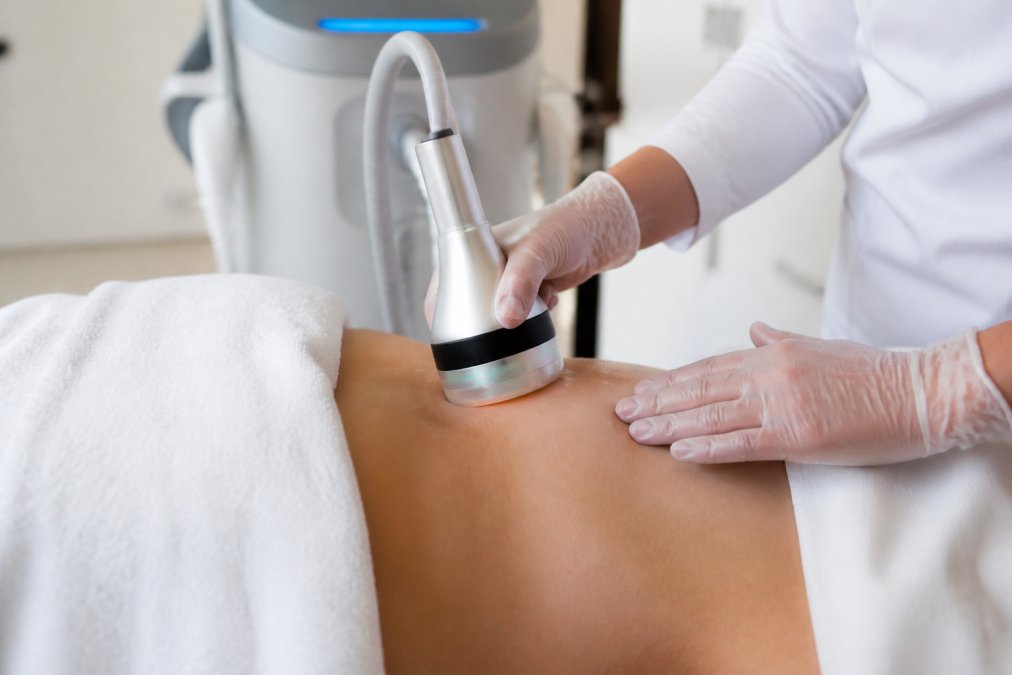
Non-surgical body contouring has transformed what's possible for skin tightening without invasive surgery. These treatments work by stimulating collagen production and tightening existing tissue through energy-based technologies. The advantage is that they can begin during active weight loss, you don't need to wait until you've reached your goal weight to start addressing loose skin.
Microneedling and Platelet-Rich Plasma (PRP) Therapy
Microneedling creates controlled micro-injuries to the skin using fine needles, triggering your body's natural healing response and stimulating collagen production. When combined with platelet-rich plasma, your own concentrated blood platelets, the treatment can enhance collagen remodeling and tissue healing.
Microneedling with PRP works best on areas with moderate tissue laxity, particularly the face, neck, and décolletage.
Laser Therapy and Radiofrequency Treatments
Laser and radiofrequency technologies deliver heat energy to deeper skin layers, causing collagen fibers to contract immediately while stimulating new collagen production over time. Radiofrequency uses electromagnetic energy to heat the dermis, causing existing collagen to shrink and tighten while triggering fibroblasts to produce new collagen. Results typically appear gradually over three to six months as new collagen develops (peer-reviewed research).
These technologies work effectively on larger body areas like the abdomen, arms, thighs, and back. Recovery is minimal, most people experience mild redness that resolves within hours to days.
Dermal Fillers and Biostimulators
Dermal fillers add volume to areas that have lost fullness during weight loss. Biostimulators like Radiesse and Sculptra stimulate your body's own collagen production while providing some immediate volume. Over time, as your body produces new collagen, the results improve and last longer than traditional fillers.
Biostimulators work particularly well when combining weight loss and skin rejuvenation because they address both immediate volume loss and longer-term collagen depletion. For facial rejuvenation after weight loss, addressing volume loss in the cheeks, temples, and under-eye areas makes an enormous difference in how rested and youthful you appear.
Skin Tightening After GLP-1 Weight Loss
GLP-1 medications have revolutionized weight loss effectiveness, but they create a specific skin challenge: rapid weight loss combined with facial volume loss. The term "GLP-1 face" describes the combination of loose skin and hollowed features that can occur with rapid weight loss from these medications.
Addressing Facial Volume Loss and Tissue Laxity
Combining weight loss and skin rejuvenation after GLP-1 therapy requires a two-pronged approach: restoring volume loss and tightening loose tissue. Volume restoration typically involves dermal fillers or biostimulators placed strategically in the cheeks, temples, jawline, and chin. Skin tightening comes from radiofrequency, laser, or microneedling treatments.
The timing matters significantly. Many practitioners recommend waiting four to six weeks after starting GLP-1 therapy before beginning aesthetic treatments. This allows your weight to stabilize somewhat and prevents over-correcting volume loss. However, you don't need to wait until weight loss is complete, beginning treatments while still losing weight allows gradual improvement throughout your journey.
Timeline for Treatment After GLP-1 Therapy
Most people see significant weight loss within the first three months of GLP-1 therapy. A practical timeline for combining weight loss and skin rejuvenation after GLP-1 therapy looks like this:
- Weeks 1-4: Begin GLP-1 therapy; focus on protein intake and hydration
- Weeks 4-6: Schedule initial consultation for skin assessment and treatment planning
- Weeks 6-8: Begin non-invasive treatments like radiofrequency or microneedling
- Weeks 8-12: Assess results; add filler if volume loss is significant
- Months 4-6: Continue skin tightening treatments; adjust filler as needed
- Months 6+: Transition to maintenance treatments
Peptide Therapy for Skin Rejuvenation During Weight Management
Peptide therapy offers a systemic approach to supporting skin health during weight loss. Certain peptides stimulate collagen production, improve skin hydration, and support overall tissue quality from the inside out. Collagen peptides consumed orally provide amino acids that your body uses to synthesize new collagen. Growth hormone-releasing peptides support metabolic health during weight loss while potentially improving skin quality.
The advantage of peptide therapy is that it works systemically, supporting skin health throughout your entire body, not just treated areas. Combined with targeted aesthetic treatments, peptide therapy addresses skin rejuvenation from multiple angles simultaneously.
Building Your Personalized Weight Loss and Skin Rejuvenation Plan
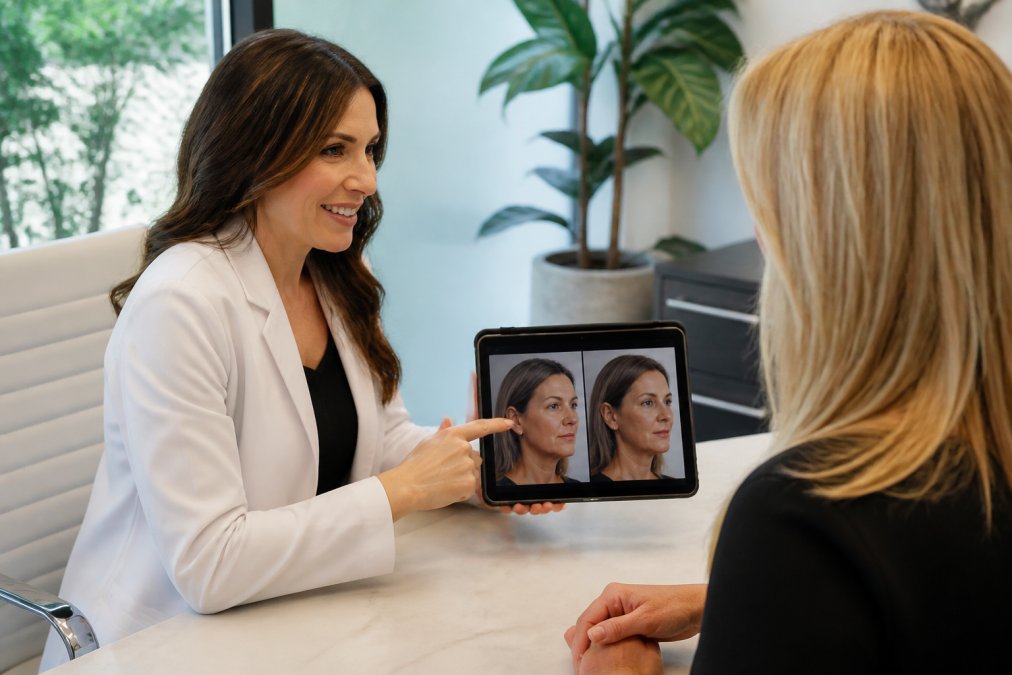
Combining weight loss and skin rejuvenation requires a structured approach tailored to your specific situation. The most successful outcomes come from personalized planning that coordinates multiple strategies.
Step 1: Assess Your Starting Point and Goals
Begin by honestly evaluating your current skin condition and your weight loss timeline. Document your starting point with photos taken in consistent lighting. Describe what bothers you most about your appearance, this emotional component helps prioritize which treatments will make the biggest difference in how you feel.
Clarify your weight loss goals and timeline. If you're using GLP-1 therapy, understand your expected weight loss and the timeline your prescriber has discussed. This timeline directly influences your skin rejuvenation strategy.
Step 2: Optimize Protein Intake and Collagen Production
Protein is non-negotiable when combining weight loss and skin rejuvenation. Your body needs adequate amino acids to synthesize new collagen while you're losing weight. Most practitioners recommend consuming 0.8 to 1.0 grams of protein per pound of body weight daily during active weight loss (the NIH).
Spread protein across multiple meals throughout the day rather than loading it into one or two meals. Include protein sources that provide collagen-supporting amino acids: bone broth, collagen peptides, fish, chicken, eggs, and legumes. Aim for half your body weight in ounces of water daily, adjusting for activity level and climate.
Step 3: Incorporate Resistance Training for Skin Elasticity
Resistance training improves skin elasticity and supports collagen production through multiple mechanisms. When you create mechanical tension in muscles and connective tissue through resistance work, you trigger your body to strengthen and maintain those tissues, including skin. Resistance training also improves circulation, delivering more oxygen and nutrients to skin cells.
Focus on compound movements that engage large muscle groups: squats, deadlifts, push-ups, rows, and chest presses. Aim for resistance training three to four times per week, allowing adequate recovery between sessions. Progressive overload, gradually increasing the weight or difficulty of your exercises, signals your body to maintain and build tissue, including skin and connective tissue.
Step 4: Schedule Aesthetic Treatments Strategically
Begin non-invasive treatments like radiofrequency or microneedling while actively losing weight. These treatments stimulate collagen production that continues working as your body adapts to weight changes. For treatments involving volume addition (fillers or biostimulators), wait until your weight loss has slowed somewhat, typically after losing 30-40% of your target weight loss.
Create a treatment schedule that addresses your primary concerns first. Most people benefit from a combination approach that addresses multiple concerns simultaneously.
Step 5: Plan Maintenance Protocols After Initial Rejuvenation
Aesthetic results aren't permanent. Plan for maintenance treatments before you finish your initial treatment series. Maintenance typically involves fewer treatments spaced further apart than your initial series.
Establish a skincare routine that supports your aesthetic investments. This includes daily sunscreen, retinoids, and hydrating products. Plan for annual or semi-annual check-ins with your practitioner to assess your progress and adjust your maintenance protocol.
Managing Expectations: Natural Results and Budget-Friendly Tiers
What Natural-Looking Results Actually Look Like
Natural-looking results from combining weight loss and skin rejuvenation mean your skin looks healthy, firm, and refreshed, not obviously treated. You should appear like a better version of yourself, not like you've had "work done." Natural results involve subtle improvements across multiple areas rather than dramatic transformation in one area.
Avoiding over-treatment is key to natural results. This means resisting the temptation to add filler to every area that has lost volume. Instead, strategic treatment of primary concern areas, combined with subtle improvements elsewhere, creates the most natural appearance.
Budget-Friendly vs. Premium Treatment Approaches
Budget-conscious approaches prioritize collagen-stimulating treatments over volume-based treatments. Radiofrequency and microneedling can be more cost-effective per session than filler treatments and provide cumulative benefits that improve over time. Spacing treatments further apart can reduce costs while still producing results.
DIY skincare support between professional treatments can reduce overall costs. Using retinoids, vitamin C serums, and hydrating products between treatments enhances professional results without additional professional service costs. Many people find a middle-ground approach most practical: investing in several sessions of collagen-stimulating treatments, adding strategic filler for primary concern areas, and maintaining results with quarterly treatments.
The Psychological and Emotional Side of Skin Changes
Combining weight loss and skin rejuvenation addresses more than physical appearance, it addresses how you feel about yourself. Many people experience disappointment when they realize that weight loss doesn't automatically produce the appearance they imagined. Addressing skin changes proactively through combining weight loss and skin rejuvenation helps prevent this emotional letdown. When you feel good about how you look, you're more likely to maintain your weight loss and stick with healthy habits.
Combining weight loss and skin rejuvenation requires coordinated planning, but the results justify the effort. Rather than treating weight loss and aesthetic improvements as separate goals, integrating them creates a comprehensive transformation that addresses both your health and your appearance. At PuraBella Wellness, we specialize in personalized wellness solutions that blend advanced medical aesthetics with your unique health journey, from GLP-1 weight loss programs to modern treatments like NeoGen and Artemis TShape2 lasers. Book Now to schedule a consultation and create your personalized plan for combining weight loss and skin rejuvenation.
| Treatment Type | Timeline | Best For | Maintenance Frequency |
|---|---|---|---|
| Radiofrequency/Laser | 4-6 sessions, 4-6 weeks apart | Body contouring, overall tightening | Quarterly |
| Microneedling with PRP | 3-4 sessions, 4-6 weeks apart | Facial texture, fine lines | Semi-annual |
| Dermal Fillers | 1-2 sessions | Immediate volume restoration | Every 6-12 months |
| Biostimulators | 2-3 sessions, 4-6 weeks apart | Long-term collagen stimulation | Annual |
| Resistance Training | 3-4x weekly ongoing | Skin elasticity support | Ongoing |
Frequently Asked Questions
How long does it take to see results from combining weight loss and skin rejuvenation treatments?
Results appear gradually over weeks and months rather than immediately. Non-invasive treatments like radiofrequency typically show initial results within 2-3 weeks, with continued improvement over 3-6 months as collagen develops. Most people see meaningful overall improvement within 2-3 months of beginning their coordinated weight loss and skin rejuvenation plan.
Can I do aesthetic treatments while actively losing weight?
Yes, in fact, this is often ideal. Beginning collagen-stimulating treatments during active weight loss allows them to work synergistically with your body's natural adaptation. Avoid volume-based treatments like fillers until your weight loss has slowed, as continued weight loss could make early filler additions appear overdone.
What's the difference between non-surgical and surgical skin tightening options?
Non-surgical treatments like radiofrequency and laser work by stimulating collagen production and tightening existing tissue. They require multiple sessions, produce gradual results, and involve minimal downtime. Surgical options like body contouring remove excess skin surgically, producing more dramatic immediate results but requiring significant recovery time.
How much protein do I actually need during weight loss for skin health?
Most practitioners recommend 0.8 to 1.0 grams of protein per pound of body weight daily. This supports collagen synthesis while maintaining muscle mass during weight loss. Spread protein intake across multiple meals throughout the day.
What should I do if I'm not seeing results after several months of treatment?
Schedule a consultation with your practitioner to assess your progress and adjust your plan. Your practitioner may recommend additional treatments, different modalities, or adjustments to your protocol based on your specific situation.
Is combining weight loss and skin rejuvenation safe?
When coordinated by experienced practitioners, combining these approaches is safe. The key is proper timing and sequencing, avoiding aggressive treatments early in rapid weight loss, ensuring adequate protein and hydration, and working with practitioners who understand how these approaches interact.
Frequently Asked Questions
Can you tighten saggy skin after significant weight loss without surgery?
Yes. Non-surgical options like microneedling with PRP, laser therapy, radiofrequency treatments, and dermal fillers can improve skin texture, elasticity, and tightness. Results depend on the degree of skin laxity, your age, and skin quality. A personalized consultation helps determine which combination of treatments will work best for your specific situation and goals.
How does combining weight loss and skin rejuvenation actually work together?
Strategic timing is key. During weight loss, focus on protein intake and resistance training to support collagen production and skin elasticity. Once weight stabilizes, aesthetic treatments target remaining loose skin and volume loss. Peptide therapy can support skin health throughout the process. This staged approach helps ensure effective results.
What is the best skincare routine for patients on GLP-1 medications?
GLP-1 patients often experience facial volume loss and may need extra hydration support. Use a gentle cleanser, hydrating serum, broad-spectrum SPF 30+, and a nourishing moisturizer. Consider adding a retinol or peptide serum to support collagen production. Avoid harsh treatments during active weight loss. Consult your provider about when to introduce professional treatments like microneedling or fillers, as timing matters for optimal results.
How long does it take to see results when combining weight loss with skin treatments?
Weight loss results typically appear with consistent effort. Skin rejuvenation treatments show initial improvements within weeks, with full results as collagen remodeling continues. Maintenance treatments may be needed depending on the procedure. Your provider will create a timeline based on your specific plan and goals during your consultation.