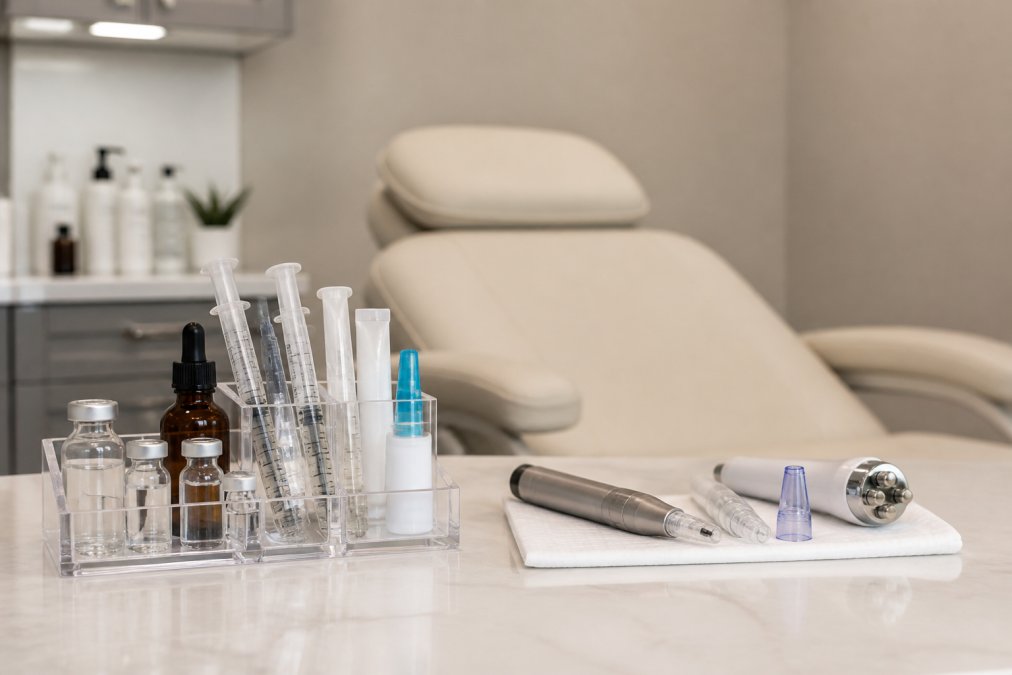
 comparison
Culture OC vs Medical Aesthetic Clinics: Key Differences
Table of Contents
- What Sets Medical Aesthetic Clinics Apart
- Physician Oversight and Medical Foundation
- Medical-Grade vs. Cosmetic-Grade Treatments
- Medical Aesthetic Clinic Safety Standards and Regulatory Compliance
- Biohacking and Aesthetic Wellness: A Holistic Approach
- PCH Med Spa Alternative Treatments and What Makes Clinics Different
- How to Choose the Right Clinic for Your Goals
- Frequently Asked Questions
Last Updated: August 25, 2026
What Sets Medical Aesthetic Clinics Apart
A medical aesthetic clinic is a healthcare facility where licensed physicians oversee aesthetic treatments, combining advanced technology with clinical assessment to deliver skin rejuvenation, body contouring, and anti-aging results. Unlike cosmetic spas, medical aesthetic clinics integrate diagnostic evaluation, personalized treatment protocols, and ongoing monitoring to address underlying skin conditions and aging mechanisms.
Medical aesthetic clinics operate under healthcare regulations that require documented patient assessments, informed consent processes, and treatment records. This creates accountability that protects both patient safety and treatment outcomes. Traditional spas operate under lighter beauty and wellness licensing without the same clinical documentation requirements.
PuraBella Wellness exemplifies this clinical approach by combining physician-led assessment with advanced treatment modalities like NeoGen Plasma Skin Regeneration and Artemis T-Shape 2 body contouring, integrated with personalized wellness protocols. Your treatment plan is built around what your specific skin and body actually need, not what services are available.
Medical aesthetic clinics can address concerns that spas cannot: significant skin laxity, deep wrinkles, stubborn fat deposits, and complex skin conditions. A medical aesthetic treatment can stimulate collagen regeneration that continues improving skin for months after the procedure ends.
Physician Oversight and Medical Foundation
Physician oversight is the structural difference that enables everything else in a medical aesthetic clinic. A licensed physician (MD or DO) must evaluate you before treatment, assess your medical history, identify contraindications, and determine whether you're a candidate for specific procedures.
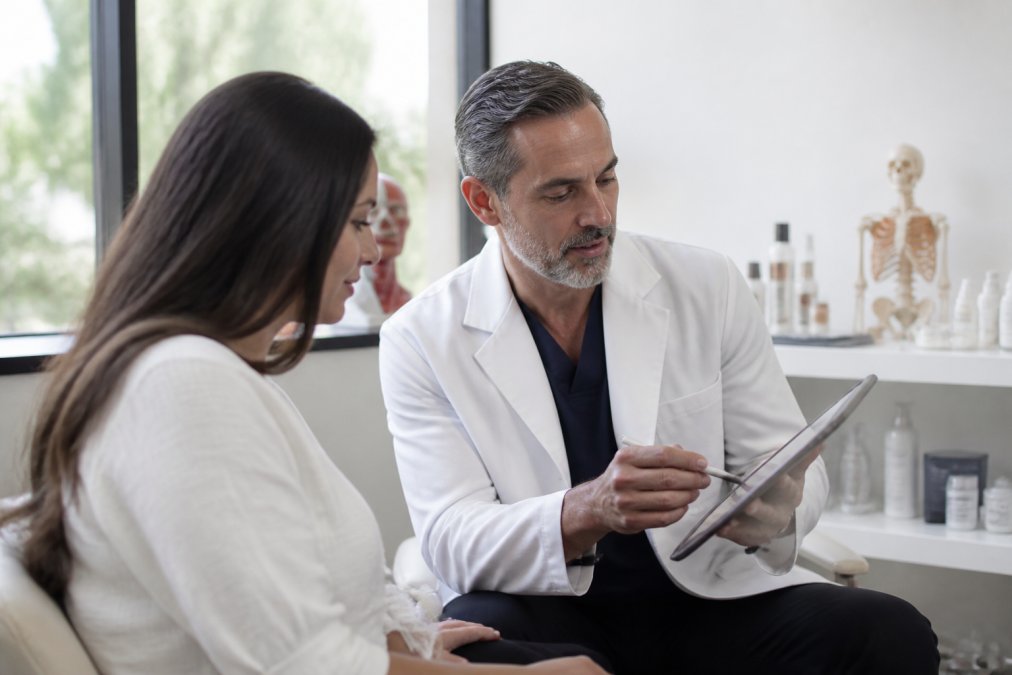
The physician's role extends beyond the initial consultation. In evidence-based medical aesthetic practices, the doctor sets treatment protocols, adjusts dosages based on individual response, and monitors for adverse effects. For injectable treatments, the physician determines injection depth, placement strategy, and product volume based on facial anatomy and desired outcomes. For laser treatments, the physician adjusts energy levels, wavelengths, and treatment patterns based on skin type and condition severity.
This clinical foundation is especially important for patients with complex medical histories. If you take blood thinners, have a history of keloid scarring, or have had previous cosmetic procedures, a physician can integrate that history into treatment planning to prevent complications.
PuraBella Wellness operates under physician medical direction, with every patient undergoing comprehensive intake before any treatment. The physician reviews your goals, assesses your skin condition, discusses realistic outcomes, and identifies any medical factors that might affect treatment safety or effectiveness.
Medical-Grade vs. Cosmetic-Grade Treatments
Medical-grade treatments have undergone FDA review and clinical testing to demonstrate safety and efficacy for specific applications (the FDA). Cosmetic-grade products are marketed for appearance enhancement without the same level of clinical validation.
For skin treatments, medical-grade lasers like NeoGen operate at energy levels that trigger collagen remodeling, the biological process that creates lasting skin improvement. Cosmetic-grade devices operate at lower intensities designed for maintenance rather than transformation.
For body contouring, the Artemis T-Shape 2 combines radiofrequency energy, infrared laser, and mechanical massage with vacuum suction, a multimodal approach that addresses fat cells, skin texture, and circulation simultaneously. This technology requires clinical training to operate safely and effectively.
Medical aesthetic clinics like PuraBella Wellness invest in FDA-cleared technology because it delivers measurable outcomes. NeoGen Plasma Skin Regeneration stimulates collagen and elastin production for results that continue improving for up to 90 days post-treatment (peer-reviewed research). The Artemis T-Shape 2 addresses multiple tissue layers in a single session, reducing the number of treatments needed to see meaningful change.
The cost difference reflects this capability gap. Medical-grade treatments cost more because the technology is more sophisticated, the training required to operate it safely is more extensive, and the outcomes are more substantial.
Medical Aesthetic Clinic Safety Standards and Regulatory Compliance
Safety in medical aesthetic clinics is governed by state medical boards, healthcare regulations, and infection control standards that don't apply to spas (fsmb.org). These regulations exist because medical procedures carry real risks, infection, allergic reaction, nerve damage, burns, or scarring, that require clinical protocols to prevent and manage.
Medical aesthetic clinics must maintain sterile environments, follow bloodborne pathogen protocols, and document all procedures in medical records. Staff must be properly credentialed: physicians are licensed by state medical boards, nurses hold registered nursing licenses, and injectors typically complete specific training programs in aesthetic procedures.
Infection control is a concrete example. In a medical setting, needles, syringes, and equipment are sterilized according to healthcare standards. Informed consent is another safety pillar. Before any procedure, medical aesthetic clinics must provide documented informed consent that explains the procedure, potential risks, expected outcomes, and alternatives.
PuraBella Wellness operates under state healthcare regulations that require physician oversight, proper credentialing of all staff, and documented treatment protocols. Every patient receives a comprehensive consultation before treatment, with written informed consent that explains realistic outcomes and potential risks.
Biohacking and Aesthetic Wellness: A Holistic Approach
The emerging integration of medical aesthetics with biohacking and wellness optimization represents a shift in how practitioners approach aging and appearance. Rather than treating aesthetics as a separate concern from overall health, forward-thinking clinics combine skin rejuvenation, body composition management, and metabolic optimization into a unified wellness strategy.
This integrated approach recognizes that skin aging, weight gain, and energy decline share common biological mechanisms: collagen breakdown, metabolic dysfunction, hormonal changes, and chronic inflammation.
GLP-1 medications like Semaglutide and Tirzepatide exemplify this biohacking integration. These medications regulate appetite and blood sugar at the hormonal level, enabling sustainable weight loss that complements aesthetic treatments. A patient losing significant weight benefits from body contouring treatments like the Artemis T-Shape 2 to address skin laxity and improve body composition.
Peptide therapy represents another biohacking layer. Peptides are short chains of amino acids that signal specific biological functions, collagen production, muscle recovery, or metabolic regulation. In a medical aesthetic context, peptides can enhance collagen regeneration after laser treatments or improve skin quality between procedures.
IV therapy and micronutrient optimization support this integrated model by providing vitamins, minerals, and amino acids required for collagen synthesis and skin barrier function.
PuraBella Wellness integrates these approaches into personalized wellness plans. A patient pursuing skin rejuvenation with NeoGen might also receive peptide therapy to enhance collagen production and IV micronutrient support to optimize skin barrier function. Results compound because patients are optimizing their underlying health, not just getting aesthetic procedures.
PCH Med Spa Alternative Treatments and What Makes Clinics Different
The local wellness landscape includes various options: traditional spas, cosmetic med spas, and medical aesthetic clinics, each operating under different regulatory frameworks and offering different treatment depths.
Traditional spas focus on relaxation and temporary skin improvement. Facials and body treatments feel good and can improve skin texture short-term, but they don't address structural aging or significant skin conditions.
Cosmetic med spas operate in a middle space. They employ nurses or aestheticians who perform injectable treatments and laser services under a physician's license, often without direct physician oversight of individual treatments. Results are better than spa treatments but often less predictable because treatment protocols may not be as individualized or physician-directed.
Medical aesthetic clinics operate under full healthcare regulations with physician oversight of every patient and treatment. The physician evaluates you, determines your candidacy, sets treatment protocols, and monitors outcomes.
The treatment depth difference is concrete. A medical aesthetic clinic uses medical-grade lasers like NeoGen that penetrate deeper tissue layers and trigger significant collagen regeneration. The Artemis T-Shape 2 combines multiple energy modalities to address fat, skin texture, and circulation simultaneously.
For injectable treatments, a medical aesthetic clinic evaluates your facial anatomy, discusses your specific goals, and customizes injection depth, placement, and product volume based on your individual features.
PuraBella Wellness distinguishes itself through integrated medical oversight, advanced technology, and personalized wellness planning. Every patient receives physician evaluation before treatment. Every treatment plan is customized based on clinical assessment rather than standard packages.
How to Choose the Right Clinic for Your Goals
Selecting a medical aesthetic clinic requires evaluating several concrete factors that directly affect safety, outcomes, and value. The clinic's credentials, technology, and approach to personalization matter more than marketing claims or facility aesthetics.
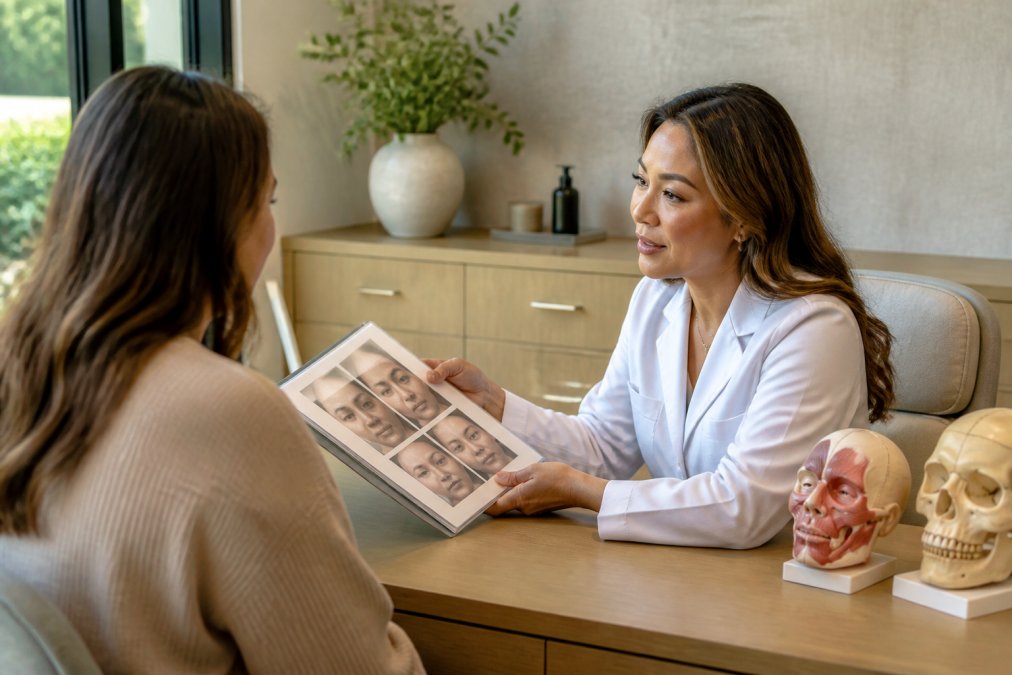
Start with physician credentials. Verify that the clinic is directed by a licensed physician (MD or DO) who is board-certified in a relevant specialty: dermatology, plastic surgery, or emergency medicine.
Evaluate the clinic's approach to consultation. A legitimate clinic conducts a thorough initial consultation where the physician or qualified nurse assesses your goals, medical history, skin condition, and candidacy for specific treatments. Red flags include: clinics that skip detailed consultation, offer the same treatment plan to everyone, or pressure you to book multiple sessions immediately.
Ask about treatment technology and whether it's FDA-cleared. The clinic should be able to explain what each technology does, why it's appropriate for your specific concern, and what realistic outcomes are.
Assess the clinic's safety protocols. Ask about infection control procedures, sterilization standards, and how they handle adverse events. Legitimate clinics maintain detailed medical records and follow bloodborne pathogen protocols.
Look for evidence of actual results. Legitimate clinics can show before-and-after photos from real patients. Photos should show realistic improvement and include patients with similar skin types, concerns, and goals to yours.
Evaluate the practitioner's qualifications for injectable treatments. Nurses performing injections should be registered nurses with specific training in aesthetic injectables.
Consider the clinic's approach to follow-up and ongoing care. Legitimate clinics schedule follow-up appointments to assess results and adjust treatment plans if needed.
PuraBella Wellness exemplifies these standards through physician-led assessment, advanced technology including NeoGen and Artemis T-Shape 2, and personalized treatment planning.
Ask about the clinic's experience with your specific concern. Clinics with deep experience in your specific concern can set realistic expectations and customize treatment protocols accordingly.
| Evaluation Factor | What to Look For | Red Flag |
|---|---|---|
| Physician Credentials | Board-certified MD or DO in dermatology, plastic surgery, or related specialty | Clinic directed by non-physician or unlicensed provider |
| Consultation Process | Thorough assessment of goals, medical history, skin condition, and candidacy | Rushed consultation or standard treatment plan for everyone |
| Treatment Technology | FDA-cleared devices with clear clinical rationale for your specific concern | Unproven or unregulated technology; unclear how it addresses your goal |
| Safety Protocols | Documented infection control, medical records, adverse event procedures | Vague about safety standards or defensive when asked |
| Results Evidence | Before-and-after photos showing realistic improvement on similar patients | No photos, heavily edited photos, or results that look unnatural |
| Practitioner Qualifications | Licensed professionals with specific training in aesthetic procedures | Unlicensed staff or vague about practitioner background |
| Follow-up Care | Scheduled follow-ups to assess results and adjust treatment plans | No follow-up mechanism or unwillingness to address concerns |
Choosing the right clinic means prioritizing clinical competence and transparent communication over marketing appeal or convenience. A clinic that takes time to understand your goals, explains treatment rationale clearly, and customizes protocols based on assessment is far more likely to deliver results you're satisfied with.
The distinction between medical aesthetic clinics and spa-based alternatives comes down to clinical rigor, treatment depth, and safety infrastructure. Medical aesthetic clinics operate under healthcare regulations that require physician oversight, documented assessment, and evidence-based treatment protocols. These clinical standards enable more sophisticated treatments, better safety outcomes, and more predictable results.
PuraBella Wellness combines physician medical direction with advanced technology and personalized wellness planning to address aesthetic concerns within a comprehensive health and wellness context. Whether you're pursuing skin rejuvenation with NeoGen, body contouring with Artemis T-Shape 2, or integrated aesthetic and metabolic optimization with GLP-1 weight loss and peptide therapy, the clinic's clinical foundation ensures your treatment plan is customized to your individual needs and monitored for safety and effectiveness. Book a consultation with PuraBella Wellness to discuss your specific goals and discover how medical aesthetic treatment integrated with comprehensive wellness optimization can support your unique health journey.
=== FAQ ANSWERS (audit these too, same rules) ===
[1] Q: What is the difference between a medical aesthetic clinic and a traditional spa? A: Medical aesthetic clinics operate under physician oversight and offer evidence-based treatments like injectables, laser procedures, and prescription-grade medications administered in a clinical environment. Traditional spas focus on relaxation and wellness without medical diagnostics or physician supervision. Medical aesthetic clinics follow clinical standards for patient safety, maintain detailed medical histories, and can address complex skin concerns through diagnostic rigor. Spas prioritize comfort and pampering rather than clinical outcomes.
[2] Q: Why do medical aesthetic clinics require physician oversight? A: Physician oversight ensures patient safety, proper diagnosis, and appropriate treatment selection. A qualified physician evaluates your medical history, identifies contraindications, and customizes treatment plans based on clinical standards. This medical foundation reduces risks, ensures informed consent, and allows for management of complications. Physicians can prescribe medical-grade medications like GLP-1 therapies or neurotoxins that require prescriptions, making physician-led clinics fundamentally different from non-medical facilities.
[3] Q: What should I look for when choosing a medical aesthetic clinic? A: Verify that the clinic has physician oversight, board-certified practitioners, and clear safety protocols. Ask about their consultation process, whether they use FDA-cleared equipment, and their approach to personalized care. Request before-and-after photos from patients similar to you, and clarify realistic timelines for results. Understand their risk management practices, post-procedure recovery protocols, and long-term maintenance schedules. Red flags include pressure to book multiple treatments immediately, vague pricing, and unwillingness to discuss potential complications.
[4] Q: How does biohacking and aesthetic wellness differ from standard medical aesthetic treatments? A: Biohacking and aesthetic wellness integrates medical aesthetics with optimization strategies like peptide therapy, IV treatments, and metabolic support to enhance overall health alongside appearance. This approach combines skin rejuvenation with energy, longevity, and metabolic goals rather than treating aesthetics in isolation. Clinics offering this model provide customized care that addresses your unique wellness journey, coordinating multiple therapies for synergistic results. Standard aesthetic clinics focus primarily on appearance, while integrated wellness clinics support both aesthetic and systemic health.
[5] Q: Are medical aesthetic clinics regulated, and how do I verify credentials? A: Medical aesthetic clinics are regulated by state medical boards and must comply with clinical standards for patient safety and practitioner qualifications. Verify that the clinic operates under a licensed physician's medical direction, that injectors and laser technicians are properly trained and certified, and that equipment is FDA-cleared. Ask about their compliance with state regulations and whether they maintain detailed patient records. Legitimate clinics are transparent about credentials, insurance coverage, and their approach to risk management and informed consent.
Frequently Asked Questions
Q: What is the difference between a medical aesthetic clinic and a traditional spa?
A: Medical aesthetic clinics operate under physician oversight and offer evidence-based treatments like injectables, laser procedures, and prescription-grade medications administered in a clinical environment. Traditional spas focus on relaxation and wellness without medical diagnostics or physician supervision. Medical aesthetic clinics follow clinical standards for patient safety, maintain detailed medical histories, and can address complex skin concerns through diagnostic rigor. Spas prioritize comfort and pampering rather than clinical outcomes.
Q: Why do medical aesthetic clinics require physician oversight?
A: Physician oversight ensures patient safety, proper diagnosis, and appropriate treatment selection. A qualified physician evaluates your medical history, identifies contraindications, and customizes treatment plans based on clinical standards. This medical foundation reduces risks, ensures informed consent, and allows for management of complications. Physicians can prescribe medical-grade medications like GLP-1 therapies or neurotoxins that require prescriptions, making physician-led clinics fundamentally different from non-medical facilities.
Q: What should I look for when choosing a medical aesthetic clinic?
A: Verify that the clinic has physician oversight, board-certified practitioners, and clear safety protocols. Ask about their consultation process, whether they use FDA-cleared equipment, and their approach to personalized care. Request before-and-after photos from patients similar to you, and clarify realistic timelines for results. Understand their risk management practices, post-procedure recovery protocols, and long-term maintenance schedules. Red flags include pressure to book multiple treatments immediately, vague pricing, and unwillingness to discuss potential complications.
Q: How does biohacking and aesthetic wellness differ from standard medical aesthetic treatments?
A: Biohacking and aesthetic wellness integrates medical aesthetics with optimization strategies like peptide therapy, IV treatments, and metabolic support to enhance overall health alongside appearance. This approach combines skin rejuvenation with energy, longevity, and metabolic goals rather than treating aesthetics in isolation. Clinics offering this model provide customized care that addresses your unique wellness journey, coordinating multiple therapies for synergistic results. Standard aesthetic clinics focus primarily on appearance, while integrated wellness clinics support both aesthetic and systemic health.
Q: Are medical aesthetic clinics regulated, and how do I verify credentials?
A: Medical aesthetic clinics are regulated by state medical boards and must comply with clinical standards for patient safety and practitioner qualifications. Verify that the clinic operates under a licensed physician's medical direction, that injectors and laser technicians are properly trained and certified, and that equipment is FDA-cleared. Ask about their compliance with state regulations and whether they maintain detailed patient records. Legitimate clinics are transparent about credentials, insurance coverage, and their approach to risk management and informed consent.