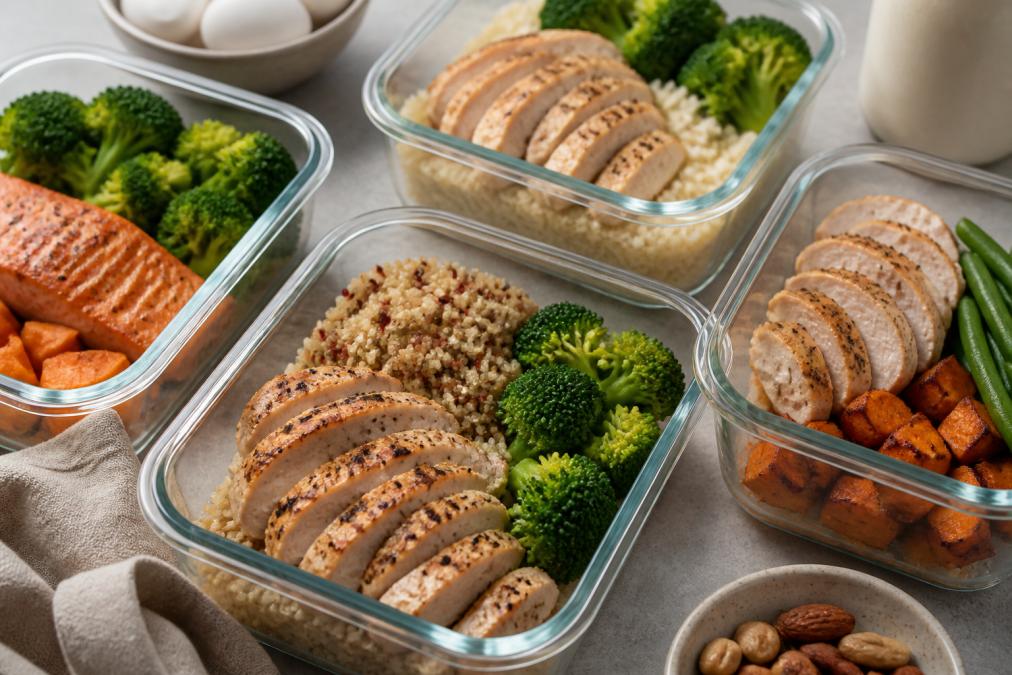
 ultimate-guide
High Protein Meal Plans for GLP-1 Maintenance
Table of Contents
- Why Protein Becomes Non-Negotiable During GLP-1 Maintenance
- Protein Requirements for Weight Maintenance After GLP-1
- GLP-1 Muscle Preservation Strategies That Work
- Core Principles of a High Protein Meal Plan for GLP-1 Users
- A 7-Day High Protein Meal Plan for GLP-1 Maintenance
- High Protein Meal Prep for Weight Loss and Maintenance Success
- Protecting Your Progress: The Post-Weight-Loss Maintenance Phase
- Conclusion: Building a Sustainable Protein-First Routine
- Frequently Asked Questions
Last Updated: September 6, 2026
Why Protein Becomes Non-Negotiable During GLP-1 Maintenance
Weight regain after stopping GLP-1 treatment is a genuine risk, and the primary defense is preserving lean muscle mass. High protein meal plans for GLP-1 maintenance are a physiological necessity once the medication's appetite-suppressing effects taper.
GLP-1 medications like semaglutide often lead to rapid weight loss, but a significant portion can come from lean muscle rather than fat. Muscle is metabolically active; when you lose it, your metabolic rate drops, making it easier to regain fat. A maintenance phase focused on protein is the single most effective strategy for protecting your results.
Protein Requirements for Weight Maintenance After GLP-1
Protein requirements for weight maintenance after GLP-1 are higher than what most adults consume. A common clinical target is 1.2 to 1.6 grams per kilogram of body weight daily (peer-reviewed research). For a 150-pound woman, that translates to roughly 82 to 109 grams spread across the day.
Whole food sources provide the amino acids for muscle repair and satiety. Lean options like chicken breast, turkey, fish, eggs, and Greek yogurt should form the backbone of your intake. Plant-based eaters can meet targets with tofu, tempeh, lentils, and edamame, though they may need to be more deliberate about portions.
Your body can only process a limited amount of protein at one time. Consuming 25 to 35 grams per meal supports better muscle protein synthesis and steady blood sugar throughout the day.
GLP-1 Muscle Preservation Strategies That Work
Preserving muscle during GLP-1 maintenance requires strategically pairing protein with the right training and timing. The most effective approach is two-pronged: (1) a deliberate resistance training protocol, and (2) a protein intake pattern that maximizes muscle protein synthesis (MPS).
The Resistance Training Protocol: A Minimum Effective Dose
You do not need to live in the gym, but you do need to be consistent. Two to three full-body resistance training sessions per week are sufficient to maintain lean mass. The key is progressive overload, gradually increasing weight, reps, or sets over time.
- The 'Big Five' Movements: Focus on compound exercises that work multiple muscle groups. A simple routine includes: squat (or leg press), hip hinge (deadlift or kettlebell swing), horizontal push (push-up or bench press), horizontal pull (seated row or dumbbell row), and a loaded carry (farmer's walk).
- Rep Range and Sets: For maintenance, a moderate rep range of 8-12 reps per set is effective. Perform 3 sets of each exercise. The last two reps of each set should feel challenging, but you should not be failing on every set.
- Frequency: A common pattern is a Monday/Wednesday/Friday schedule, or a Tuesday/Thursday/Saturday schedule. The rest days are when your body repairs and builds muscle, so do not skip them.
- The 'Deload' Week: Every 4-6 weeks, take a 'deload' week where you reduce the weight by 50% or the number of sets by half. This allows your central nervous system and joints to recover, preventing burnout and injury.
The Anabolic Window: Protein Timing for Muscle Preservation
Your body does not store protein like it stores carbohydrates or fat. It requires a regular supply of amino acids to maintain a positive protein balance, making timing as important as total daily amount.
- The 25-35 Gram Rule: Your body's ability to stimulate MPS is capped at a certain threshold per meal. Consuming more than 35-40 grams of protein in a single sitting does not provide additional anabolic benefit; the excess is simply oxidized for energy or stored as fat (PubMed). Aim for 25-35 grams of protein at each of your three main meals.
- The Post-Workout 'Golden Hour': The period immediately following your resistance training session is when your muscles are most sensitive to amino acid uptake. Consuming a fast-digesting protein source, such as a whey protein shake or a serving of Greek yogurt, within 30-60 minutes after your workout provides the building blocks your body needs to initiate repair.
- The Pre-Sleep Protein Bolus: While you sleep, your body is in a fasted state. To prevent overnight muscle breakdown, a slow-digesting protein source before bed is beneficial. Casein protein, found in milk and cottage cheese, is digested slowly and provides a steady release of amino acids throughout the night. A half-cup of cottage cheese or a casein protein shake before bed can help maintain a positive protein balance.
The 'Transition Phase' Strategy: When the Medication Tapers
The most critical period for muscle loss is during the transition off the medication. As appetite-suppressing effects wane, caloric intake naturally increases. Without a deliberate strategy, muscle loss accelerates.
- The 'Protein First' Rule: When your appetite returns, you will be eating more food. Make a rule that protein is the first thing you put on your plate, and it must fill at least one-third of the plate. This ensures that even if you eat more calories, a significant portion of those calories are coming from protein.
- The 'Maintenance Calorie' Adjustment: During active weight loss, you were likely in a caloric deficit. During maintenance, you need to find your new 'maintenance calorie' level, the number of calories you can eat without gaining or losing weight. This is often 200-300 calories more than your weight-loss intake. The challenge is to add those calories from healthy fats and complex carbohydrates, not from protein. Your protein intake should stay at the 1.2-1.6 g/kg level, while your fat and carb intake increases to meet your new energy needs.
- The 'Scale and Tape Measure' Check: Muscle is denser than fat. If you are gaining weight on the scale but your waist measurement is staying the same, you are likely gaining muscle, not fat. Do not rely solely on the scale. Use a tape measure around your waist and hips, and track your strength in the gym. If your strength is going up, you are preserving muscle.
The 'Protein-Sparing' Effect of Resistance Training
Resistance training creates a 'protein-sparing' effect: your body becomes more efficient at using dietary protein for muscle repair rather than energy. This is why combining adequate protein with resistance training is far more effective than either alone. Patients who do not lift weights require higher protein intake to maintain muscle.
Core Principles of a High Protein Meal Plan for GLP-1 Users
A high protein meal plan for GLP-1 users is built on consistency, not perfection. The goal is to make protein the default choice at every eating occasion, especially when managing gastrointestinal side effects or fluctuating appetite.
Prioritize Dense Protein at Every Meal
Protein density matters more than total volume. A 4-ounce serving of chicken breast delivers roughly 26 grams of protein for about 120 calories, far more efficient than a protein-fortified snack bar. Building each meal around a primary protein source first ensures you hit your daily target without feeling overly full.
This approach also supports glycemic control. Meals that begin with protein and fiber slow gastric emptying, blunting post-meal blood sugar spikes, a welcome change from the crashes of refined carbohydrates.
Time Your Intake to Manage Satiety and Side Effects
Most patients do well with three balanced meals and one or two high protein snacks. Eating every three to four hours helps manage nausea by preventing an empty stomach and keeps blood sugar stable.
For those who struggle with early satiety, smaller, more frequent portions are often more comfortable. A mid-morning snack of Greek yogurt or almonds can bridge the gap between meals.
A 7-Day High Protein Meal Plan for GLP-1 Maintenance
This sample plan provides roughly 90 to 110 grams of protein per day, with a focus on whole foods and simple preparation. Portion sizes assume a moderate activity level and can be adjusted up or down based on your specific needs.
| Meal | Day 1 | Day 2 | Day 3 | Day 4 | Day 5 | Day 6 | Day 7 |
|---|---|---|---|---|---|---|---|
| Breakfast | Veggie omelet (3 eggs) + 1/2 avocado | Greek yogurt (1 cup) + berries + chia seeds | Protein smoothie (whey + spinach + almond milk) | Cottage cheese (1 cup) + pineapple | Turkey sausage + scrambled egg whites | Overnight oats + protein powder | Egg white frittata + side of fruit |
| Lunch | Grilled chicken salad + olive oil | Tuna salad lettuce wraps | Turkey and cheese roll-ups + veggie sticks | Leftover salmon + quinoa bowl | Chicken breast + roasted broccoli | Lentil soup + side salad | Shrimp + mixed greens |
| Dinner | Baked salmon + asparagus | Lean beef stir-fry + bell peppers | Chicken thighs + green beans | Turkey meatballs + zucchini noodles | White fish + cauliflower rice | Tofu scramble + roasted vegetables | Grilled chicken + sweet potato |
| Snack | Protein shake | Hard-boiled egg + almonds | Beef jerky + cheese stick | Edamame | Protein bar (low sugar) | Cottage cheese | Protein shake |
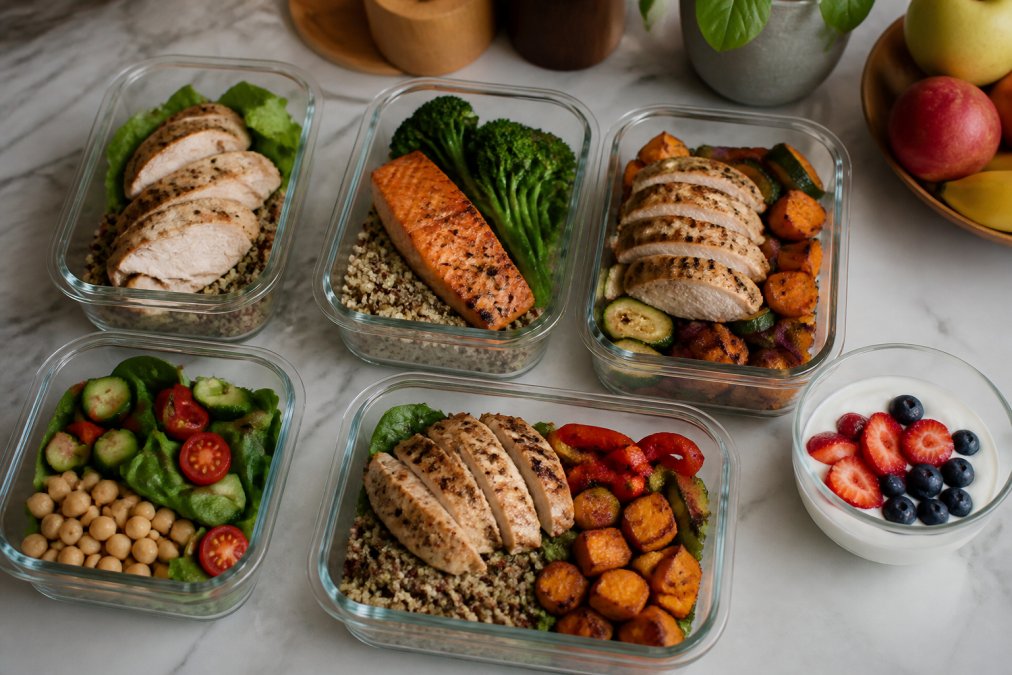
Hydration is equally important. GLP-1 medications can reduce thirst sensation, and dehydration is a common cause of fatigue and constipation (the FDA). Aim for at least 64 ounces of water daily, and consider adding an electrolyte supplement if you are experiencing diarrhea or vomiting.
High Protein Meal Prep for Weight Loss and Maintenance Success
Meal prep for GLP-1 maintenance is about building a low-effort, high-reward system that works on your worst days, when nausea, fatigue, or lack of appetite makes cooking feel impossible. This section focuses on a 'no-cook' and 'minimal-cook' framework for side-effect-heavy days.
The 'No-Cook' Protein Kit for Low-Energy Days
When energy is at its lowest, the barrier to eating protein is preparation time. Keep a dedicated refrigerator shelf stocked with items that require zero cooking and zero thought, your safety net for days when the smell of cooking triggers nausea.
- Rotisserie chicken: Pick one up from the grocery store and pull the meat off the bones immediately. Store it in a container with a paper towel to absorb moisture. It stays fresh for 3-4 days and provides 25-30 grams of protein per 3-ounce serving.
- Hard-boiled eggs: Boil a dozen at the start of the week. They are a grab-and-go source of 6 grams of protein each and are often easier to tolerate than other foods when your stomach is queasy.
- Greek yogurt (single-serve cups): Choose plain, full-fat or 2% versions to avoid added sugars that can spike blood sugar. Each cup delivers 15-20 grams of protein.
- Pre-cooked shrimp: A bag of frozen, pre-cooked shrimp can be thawed in cold water in 10 minutes. A 4-ounce serving provides 20 grams of protein and is very low in fat, which helps if you are sensitive to rich foods.
- String cheese and deli turkey: These are shelf-stable staples for a quick 10-15 gram protein snack. Roll the turkey around the cheese for a simple, satisfying bite.
- Protein shakes (ready-to-drink): Keep a case of a low-sugar, whey or plant-based shake on hand. They are not a primary food source, but they are a reliable backup when solid food is unappealing. Look for options with 25-30 grams of protein and under 5 grams of sugar.
The 'Minimal-Cook' Batch Prep System (90-Minute Sunday Session)
If you have a small window of energy, this system builds your protein foundation for the week in about 90 minutes. It focuses on foods that are forgiving, freeze well, and are easy to eat in small portions.
- Protein Base (30 minutes): Cook 2 pounds of ground turkey or lean ground beef. Season it simply with salt, pepper, and garlic powder. Do not add heavy sauces. Portion it into 4-ounce containers. This yields roughly 4-5 servings of about 25 grams of protein each.
- Slow-Cooker or Instant Pot Protein (5 minutes prep): Place 2-3 chicken breasts or a pork tenderloin in the appliance with a cup of low-sodium broth. Cook on low for 6-8 hours or on high pressure for 20 minutes. Shred and portion. This is your easiest source of tender, easy-to-chew protein.
- Egg Muffins (15 minutes): Whisk 12 eggs with a cup of cottage cheese and a handful of spinach. Pour into a greased muffin tin and bake at 350°F for 20-25 minutes. Each muffin contains about 8-10 grams of protein. They are easy to eat with one hand and can be frozen.
- Freezer Smoothie Packs (10 minutes): In individual freezer bags, combine a scoop of protein powder, a handful of spinach, and 1/2 cup of frozen berries. In the morning, dump the contents into a blender with water or milk. This is a 2-minute breakfast or snack that is gentle on the stomach.
Managing Nausea with 'Micro-Meals'
A common mistake is forcing a full meal when nausea is present. Instead, plan for 'micro-meals', small, frequent portions of 100-150 calories that are easy to tolerate, providing a steady stream of protein without overwhelming digestion.
- The 'Bland Protein' List: Foods like plain baked chicken, white fish (cod or tilapia), eggs, and tofu are less likely to trigger nausea than heavily spiced or fatty meats.
- The 'Cold Food' Advantage: Cold foods have a less potent smell than hot foods, which can be a trigger. A cold turkey and cheese roll-up, a Greek yogurt cup, or a protein shake are often easier to get down than a hot, aromatic meal.
- The 'Bedside Bite' Strategy: Keep a small container of plain crackers or a single-serve protein shake on your nightstand. Eat a few bites before you sit up in the morning. An empty stomach often worsens nausea, and a small, neutral food can settle it before you start your day.
Budget-Conscious Protein Sourcing
The cost of a high-protein diet can add up quickly. For a sustainable maintenance phase, you need protein sources that are effective and affordable.
- Canned fish: Canned tuna and salmon are excellent, low-cost sources of protein and omega-3 fatty acids. A 5-ounce can of tuna provides about 25 grams of protein for around $1.50. Look for versions packed in water to control sodium.
- Eggs and cottage cheese: These remain two of the most cost-effective protein sources per gram. A carton of eggs and a tub of cottage cheese can provide a week's worth of breakfast protein for under $10.
- Frozen chicken breasts and ground turkey: Buying these in bulk from warehouse clubs or during sales can reduce the cost per serving by 30-40% compared to fresh, pre-packaged cuts.
- Tofu and lentils: For plant-based eaters, tofu (at roughly $2 per block) and dried lentils (at under $2 per pound) are significantly cheaper than meat alternatives. A block of tofu provides about 40 grams of protein, making it a budget-friendly base for several meals.
This system is not about gourmet cooking. It is about building a buffer against the unpredictable nature of side effects. By having a 'no-cook' kit and a 'minimal-cook' batch system in place, you remove the friction that leads to skipping meals or reaching for low-protein, high-sugar convenience foods.
Protecting Your Progress: The Post-Weight-Loss Maintenance Phase
The post-weight-loss maintenance phase is where most journeys succeed or fail. The habits you built while losing weight must become your new baseline, requiring a deliberate shift from restriction to sustainability.
Weight loss maintenance is not about eating as little as possible. It is about finding the caloric intake that maintains your new weight without feeling deprived, adding back calories from healthy fats and complex carbs while keeping protein high. The goal is a balanced diet you can maintain for years.
This is also the phase where many patients benefit from a personalized review of their nutrition and lifestyle plan. Regular check-ins, whether for peptide therapy to support energy or IV treatments for micronutrient replenishment, help ensure metabolic health stays on track.
Conclusion: Building a Sustainable Protein-First Routine
The transition from active weight loss to GLP-1 maintenance is pivotal. High protein meal plans are your most reliable tool for protecting lean muscle, stabilizing blood sugar, and preventing weight regain. By prioritizing dense protein, preparing meals in advance, and staying consistent with resistance training, you build a routine that supports your results long term.
This requires more than a list of foods, it requires a strategy that fits your lifestyle, preferences, and body's unique response to medication.
If you are ready to protect your progress and build a sustainable, protein-first routine, book a consultation with PuraBella Wellness. We will help you create a plan that supports your goals, your energy, and your long-term metabolic health.
Frequently Asked Questions
How much protein should I eat daily during GLP-1 maintenance?
Focus on roughly 1.2 to 1.5 grams of protein per kilogram of your target body weight. For a 160-pound woman, that translates to about 87 to 109 grams daily. Spreading this across three meals and a snack makes it easier to digest and helps you hit the mark without feeling overly full. A healthcare provider can tailor this based on your activity level and muscle mass goals.
How can I prevent muscle loss while tapering off GLP-1 medication?
Muscle loss happens when your body breaks down protein faster than it rebuilds it. Pairing adequate protein intake with resistance training is the most effective strategy. Prioritize complete protein sources like eggs, chicken, fish, and Greek yogurt, and consider a protein shake immediately after workouts to support muscle repair. Discuss any dose titration changes with your clinician to ensure your nutrition plan aligns with your medication schedule.
What are the best high-protein snacks for GLP-1 users?
Choose snacks with a strong protein-to-calorie ratio to support satiety without spiking blood sugar. Hard-boiled eggs, string cheese, edamame, and turkey roll-ups are simple options. Greek yogurt or cottage cheese with berries provides protein plus fiber. If you feel nauseous, a cold protein shake or smoothie can be easier to tolerate than solid food.
Are there specific foods to avoid during GLP-1 maintenance?
Fried foods, creamy sauces, and highly processed items can trigger gastrointestinal side effects like nausea and reflux. Refined carbohydrates and sugary drinks provide calories without supporting muscle or stable energy. Focus on whole foods like lean meats, fish, vegetables, and whole grains. Eating slowly and stopping when you feel comfortably satisfied helps prevent the discomfort that comes from overfilling a stomach that empties more slowly on this medication.