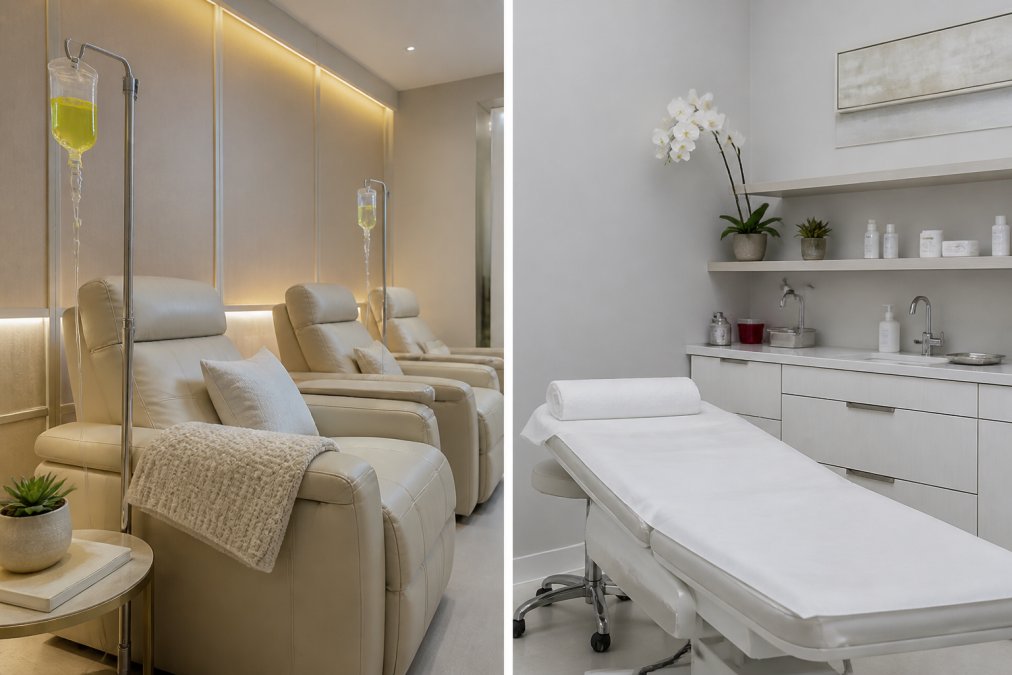
 comparison
Hydration Room vs Local Wellness Clinics: A 2026 Guide
Table of Contents
- Hydration Room vs Local Wellness Clinics: Key Differences
- What Is IV Hydration Therapy and How Do Wellness Clinics Deliver It
- Medical Oversight in Wellness Clinics: Safety Standards and Regulatory Compliance
- How Often Should You Get IV Hydration: Frequency and Treatment Protocols
- Benefits of Medical Spa IV Therapy vs Standalone Hydration Services
- Cost-Benefit Analysis: Pricing, Value, and Long-Term Health Outcomes
- Choosing the Right Option for Your Wellness Goals
- Frequently Asked Questions
Last Updated: August 20, 2026
Hydration Room vs Local Wellness Clinics: Key Differences
When you're deciding between a dedicated hydration room and a full-service local wellness clinic, you're really comparing two different approaches to IV therapy and overall wellness. A hydration room typically specializes in IV hydration and nutrient infusions delivered in a simplified, focused environment. A local wellness clinic, by contrast, integrates IV therapy into a broader spectrum of services, often combining medical aesthetics, biohacking, peptide therapy, and other wellness modalities under one roof.
The distinction matters because it shapes your experience, the depth of personalization available, and how your treatment fits into a larger health strategy. At PuraBella Wellness in Corona Del Mar, we've seen firsthand how clients benefit from integrated care where IV therapy works alongside aesthetic treatments and wellness optimization rather than standing alone.
The choice between hydration room vs local wellness clinics depends on whether you're seeking a single solution or a comprehensive approach. Some people need quick hydration support; others want their IV treatments coordinated with anti-aging aesthetics, weight management, or energy optimization. Understanding these differences helps you pick the right fit for your actual wellness goals.
What Is IV Hydration Therapy and How Do Wellness Clinics Deliver It
IV hydration therapy is the direct administration of fluids, electrolytes, and micronutrients into the bloodstream to support hydration, energy, immune function, and recovery. By bypassing the digestive system, IV therapy achieves rapid bioavailability, your body absorbs and utilizes nutrients immediately rather than processing them through digestion.
Wellness clinics deliver IV hydration through nurse-administered infusions in a clinical environment. The process typically involves a brief consultation to assess your goals, a customized nutrient blend tailored to your needs, and a 30-60 minute infusion session where you relax in a comfortable treatment area. Many clinics, including those offering medical spa IV therapy, combine the clinical rigor of medically supervised treatment with the comfort and aesthetic appeal of a spa-like setting.
The key difference from standalone hydration rooms: wellness clinics often integrate IV therapy into a broader treatment plan. If you're pursuing weight loss with GLP-1 therapy, aesthetic rejuvenation with advanced lasers, or energy optimization with peptide therapy, your IV protocol can be customized to support those concurrent goals. This coordination ensures your nutrient infusions complement your other wellness treatments rather than operating in isolation.
Recovery protocols in clinical settings typically follow evidence-based guidelines. After your infusion, most people resume normal activity immediately, there's no downtime. The frequency of treatment depends on your goals: some clients do weekly sessions for athletic recovery, others monthly for maintenance and immune support.
:::pro Wellness clinics often offer customized blends based on your specific goals, whether that's post-workout recovery, immune enhancement, or preparation for an aesthetic procedure. Standalone hydration rooms may have preset formulas with less personalization. :::
Medical Oversight in Wellness Clinics: Safety Standards and Regulatory Compliance
Medical oversight in wellness clinics is non-negotiable. Licensed practitioners, typically nurse practitioners, registered nurses, or physicians, must supervise IV administration to ensure sterile technique, proper needle placement, and immediate response to any adverse reactions. This professional medical staff requirement distinguishes legitimate wellness clinics from unregulated alternatives.
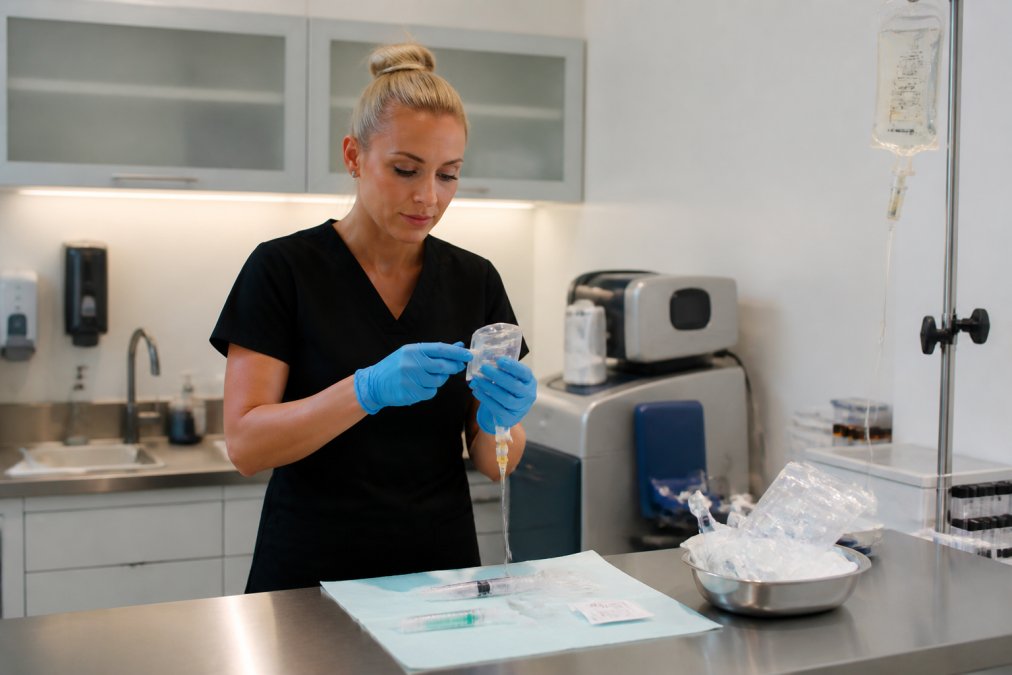
Regulatory compliance varies by state, but most states require IV therapy to be administered under physician oversight or by licensed practitioners working within a physician-directed protocol. The clinic should maintain detailed medical records, screen for contraindications, and follow infection control standards. Physician-founded practices often exceed minimum standards because they're built on medical principles from the ground up.
Sterile technique is fundamental. Every IV placement should follow OSHA bloodborne pathogen standards. Equipment must be single-use, sterile, and properly disposed of. The treatment area should be clean and organized, with visible protocols for preventing cross-contamination. When you walk into a legitimate wellness clinic, you should see evidence of these safety measures, organized supply stations, proper waste disposal, and professional protocols.
Long-term health tracking is where medical oversight truly shines. A clinic that monitors your treatment history, adjusts protocols based on how you respond, and coordinates with your primary care physician demonstrates genuine medical oversight. You're not just getting a one-off infusion; you're part of a tracked wellness plan with accountability and adjustment.
Ask about the clinic's medical director, staff credentials, and infection control protocols. A legitimate wellness clinic will be transparent about these details. If they're vague or defensive, that's a red flag.
How Often Should You Get IV Hydration: Frequency and Treatment Protocols
How often should you get IV hydration depends entirely on your goals and current health status. There's no universal answer, frequency ranges from weekly to monthly to quarterly based on what you're trying to achieve.
Athletic recovery clients often do weekly infusions during heavy training periods, then taper to bi-weekly or monthly during off-season. The logic is straightforward: intense training depletes electrolytes and micronutrients; weekly replenishment supports faster recovery and performance.
Immune support and wellness maintenance typically follow a monthly cadence. Many people do a monthly IV session as preventative care, especially during cold and flu season or when managing high stress. This frequency maintains elevated nutrient levels without over-treating.
For specific goals like aesthetic recovery or weight loss support, frequency aligns with your other treatments. If you're doing laser rejuvenation monthly, your IV protocol might coordinate with those sessions to support skin healing and collagen production. If you're on GLP-1 therapy, your nutrient infusions might be weekly initially to address appetite suppression side effects, then taper as your body adjusts.
The critical piece: treatment protocols should be personalized, not standardized. A wellness clinic that offers the same IV package to everyone is missing the point. Your protocol should reflect your specific goals, current nutrient status, activity level, and any concurrent treatments. This is where medical oversight becomes essential, a practitioner reviews your situation and recommends frequency based on your individual needs, not a preset menu.
Most people see results within 2-4 weeks of consistent treatment. Energy improvements often appear within days of a single infusion; longer-term benefits like immune resilience or skin quality require sustained protocols over weeks or months. If you're not seeing expected results after a reasonable timeframe, the protocol should be adjusted.
Benefits of Medical Spa IV Therapy vs Standalone Hydration Services
Medical spa IV therapy integrates intravenous nutrient infusion into a comprehensive wellness environment that includes aesthetic treatments, biohacking protocols, and professional medical staff. The benefits extend beyond simple hydration into coordinated health optimization.
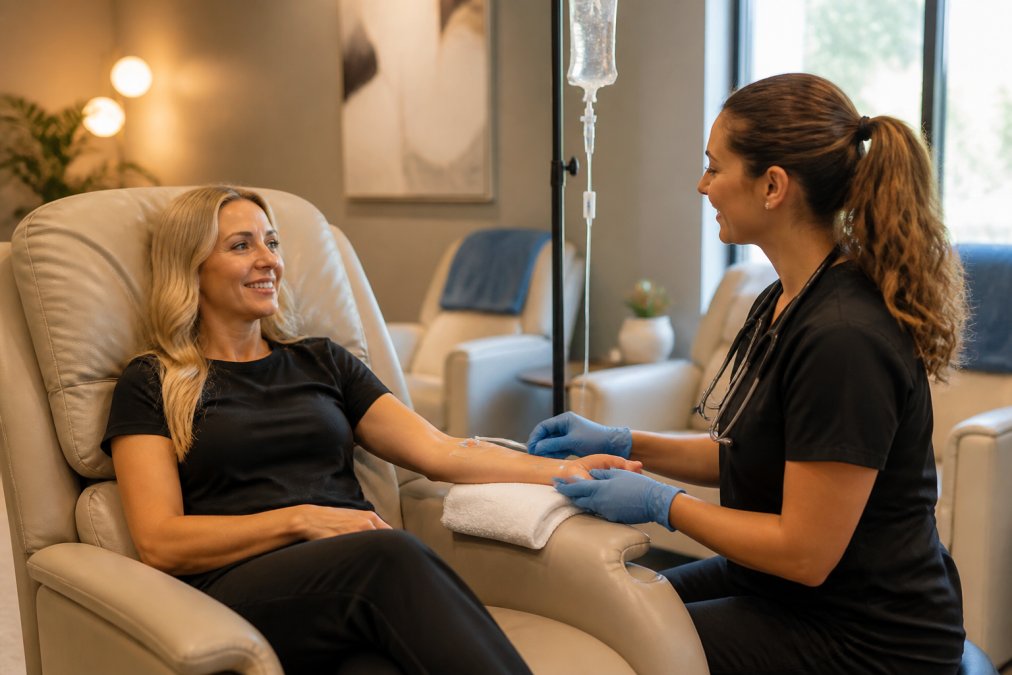
Standalone hydration services excel at speed and simplicity. You walk in, get hydrated, walk out. If your only need is quick rehydration after a night out or before a workout, that focused approach works. But if you're pursuing broader wellness goals, anti-aging, weight management, energy optimization, a medical spa model offers deeper value.
The integrated approach means your IV therapy works in concert with your other treatments. Getting laser skin rejuvenation? Your IV protocol can include collagen-supporting nutrients. Pursuing weight loss with GLP-1? Your infusions address nutrient gaps created by appetite suppression. This coordination prevents siloed treatments and creates synergistic results.
Medical spa environments also offer aesthetic and psychological benefits that matter. The difference between sitting in a clinical waiting room versus a comfortable wellness lounge affects your entire experience. Many clients report that the spa-like setting enhances the therapeutic effect, you're not just receiving treatment; you're in an environment designed for relaxation and recovery.
Professional medical staff in a spa setting means you get clinical expertise without the hospital atmosphere. Your practitioner can discuss how your IV therapy fits into your larger wellness picture, adjust protocols based on your progress, and coordinate with other treatments you're pursuing. This level of personalization and oversight is difficult to find in standalone hydration rooms.
The wellness clinic model also provides accountability and tracking. Your treatments are documented, your responses are monitored, and your protocol evolves based on results. Over time, this creates a comprehensive health record that informs better decisions about your wellness strategy.
Cost-Benefit Analysis: Pricing, Value, and Long-Term Health Outcomes
Pricing for IV therapy varies significantly based on whether you're choosing a hydration room or a wellness clinic, and what you're trying to achieve. Standalone hydration rooms typically offer lower per-session costs because they're specialized and simplified. Wellness clinics generally charge more per session because they're offering broader expertise, customization, and integration with other services.
The cost-benefit calculation changes when you factor in long-term outcomes. A cheaper IV session that's not coordinated with your other wellness goals may deliver short-term hydration but miss the opportunity for synergistic results. A more expensive session at a medical spa that's customized to support your aesthetic treatments, weight loss protocol, or energy optimization creates compounding benefits over time.
Consider the total cost of your wellness strategy, not just the IV therapy line item. If you're doing laser treatments, peptide therapy, and GLP-1 weight loss, coordinating your IV protocol with these treatments amplifies results and prevents nutrient gaps. This coordination is difficult to achieve across multiple providers but natural within an integrated wellness clinic.
Many wellness clinics offer membership or package options that reduce per-session costs if you're committing to regular treatment. PuraBella Wellness, for example, provides membership packages that offer discounts on various services and products, making integrated care more accessible for clients pursuing ongoing wellness optimization.
The real value question: what outcome are you trying to achieve? If it's occasional hydration, standalone services may be cost-effective. If it's sustained wellness improvement, better energy, clearer skin, successful weight management, optimized recovery, the coordinated approach of a medical spa typically delivers better long-term value despite higher per-session costs.
Long-term health tracking also affects value. A clinic that monitors your progress over months and adjusts your protocol based on results creates accountability and prevents wasted treatments. You're not paying for sessions that don't move the needle; you're paying for a strategy that evolves based on what's actually working for you.
Choosing the Right Option for Your Wellness Goals
The choice between hydration room vs local wellness clinics comes down to your actual wellness goals and how integrated you want your care to be.
Choose a dedicated hydration room if your primary need is occasional IV hydration, post-event recovery, pre-travel preparation, or quick nutrient replenishment. You want speed, simplicity, and focused service without broader wellness involvement.
Choose a local wellness clinic if you're pursuing integrated wellness goals. If you're combining aesthetic treatments with weight management, energy optimization with recovery support, or preventative health with anti-aging, you need a place where these services coordinate. The clinic should have professional medical staff, customized treatment protocols, and a track record of helping clients achieve sustained results.
Evaluate the clinic's medical oversight carefully. Ask about the medical director's credentials, staff qualifications, and how they coordinate treatments across different services. A legitimate wellness clinic will be transparent about these details and explain how your IV therapy fits into your larger wellness plan.
Look for evidence of long-term health tracking. Does the clinic maintain detailed records? Do they adjust protocols based on your progress? Can they show you how your treatments are coordinated with your other wellness goals? These questions reveal whether you're getting transactional service or genuine integrated care.
Consider your budget within the context of your wellness strategy. A more expensive clinic that coordinates your treatments and tracks results over time typically delivers better value than cheaper services that operate in isolation.
The best choice aligns with your actual wellness journey, not just your immediate need for hydration. If you're serious about sustained health optimization, an integrated wellness clinic with professional medical staff, customized protocols, and coordinated care will serve you better than a standalone hydration room.
Frequently Asked Questions
Is IV hydration therapy actually worth the cost?
Whether IV hydration is worth it depends on your specific health goals and how you use it. IV therapy delivers nutrients directly into the bloodstream, bypassing digestion, which can be beneficial for recovery, immune support, or addressing specific deficiencies. The value increases when you receive treatment from a facility with proper medical oversight and sterile protocols. Consider your frequency of use, the customization available, and whether oral hydration and nutrition meet your needs. Consulting with a qualified healthcare provider helps determine if IV therapy aligns with your wellness strategy and budget.
How often should you get IV hydration treatments?
Frequency depends on your individual health status, goals, and how your body responds. Some people benefit from weekly sessions during periods of high stress or intense training, while others do monthly treatments for general wellness maintenance. Athletes might use IV hydration before or after competition, while someone managing chronic fatigue may follow a different schedule. A qualified healthcare provider can assess your needs and recommend an appropriate frequency. Regular health monitoring helps determine whether your current schedule is delivering the results you expect or if adjustments are needed.
What should I look for in a medical wellness clinic?
Prioritize facilities with physician oversight, licensed nurses or nurse practitioners administering treatments, and documented sterile technique protocols. Verify that the clinic maintains proper licensing and follows regulatory compliance standards. Ask about their approach to customizing treatments based on your specific health goals, and whether they track your progress over time. A reputable clinic explains their procedures clearly, discusses potential risks, and ensures you understand what to expect. Check whether they offer comprehensive services beyond just IV hydration, which can support a more integrated wellness approach.
How does medical spa IV therapy differ from a standalone hydration room?
A medical spa integrates IV therapy with other aesthetic and wellness services like laser treatments, peptide therapy, and skin rejuvenation, allowing for coordinated care across multiple health goals. Standalone hydration rooms focus primarily on IV infusions and related services. Medical spas typically have more extensive medical oversight and can create personalized treatment plans that combine services strategically. The choice depends on whether you want comprehensive wellness optimization or focused hydration support. Medical spas suit those seeking coordinated anti-aging, metabolic health, and wellness solutions, while hydration rooms work well for those with specific, targeted needs.
Will insurance cover IV hydration therapy?
Most insurance plans do not cover IV hydration therapy when used for general wellness, performance enhancement, or anti-aging purposes. Coverage may apply if IV therapy is medically necessary to treat a diagnosed condition, such as severe dehydration, electrolyte imbalance, or specific medical conditions, but this requires physician documentation and prior authorization. Verify your specific plan's coverage by contacting your insurance provider directly. Many wellness clinics offer membership programs or package pricing to make regular treatments more affordable. Ask your healthcare provider or clinic about payment options and whether any portion of treatment might qualify for coverage under your plan.
Choosing the right approach to IV therapy is part of a larger wellness strategy. At PuraBella Wellness, we integrate IV hydration into comprehensive treatment plans that combine medical aesthetics, biohacking, peptide therapy, and personalized health optimization. Our dedicated team works with you to create a coordinated protocol that supports your unique wellness goals. Book Now to discuss how integrated IV therapy can enhance your broader health journey.