 ultimate-guide
Non-Surgical Anti-Aging Procedures: A 2026 Guide
Table of Contents
- Types of Non-Surgical Anti-Aging Treatments
- Natural Looking Aesthetic Facial Treatments
- How Anti-Aging Treatments Work and What They Target
- How Long Do Non-Surgical Laser Skin Treatments Last
- Benefits of Peptide Therapy for Skin Health
- Best Practices for Post-Procedure Skin Recovery
- Safety, FDA-Cleared Technologies, and Skin Type Considerations
- Choosing the Right Non-Surgical Anti-Aging Procedure for You
- Frequently Asked Questions
Last Updated: August 23, 2026
Types of Non-Surgical Anti-Aging Treatments
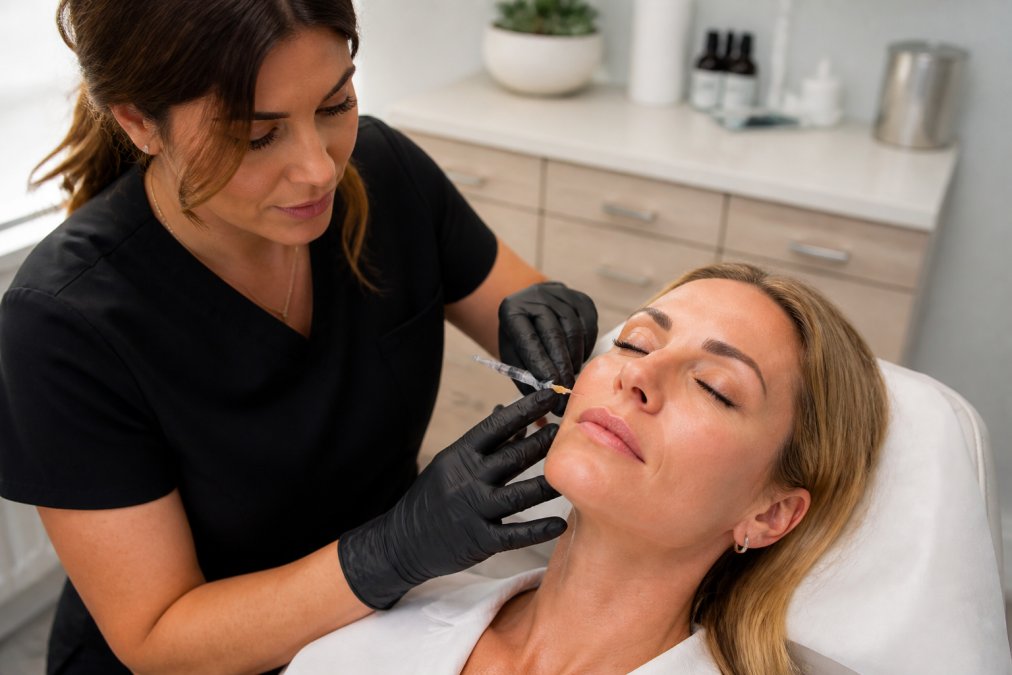
Non-surgical anti-aging procedures address visible signs of aging without downtime by stimulating collagen production, restoring volume, and smoothing fine lines. Dermal fillers restore lost volume using hyaluronic acid, injectables like botulinum toxin relax expression lines, laser treatments resurface skin and trigger collagen remodeling, microneedling prompts collagen synthesis through controlled micro-injuries, and radiofrequency devices tighten skin by heating deeper layers. Many practitioners combine treatments for comprehensive facial rejuvenation.
At PuraBella Wellness, we customize treatment plans by evaluating your skin's current condition and discussing realistic outcomes during consultation.
Natural Looking Aesthetic Facial Treatments
Achieving natural-looking results means looking refreshed and like yourself, not erasing every line or dramatically altering your appearance. This requires conservative doses of injectables, avoiding over-correction, and selecting treatments that complement your facial structure.
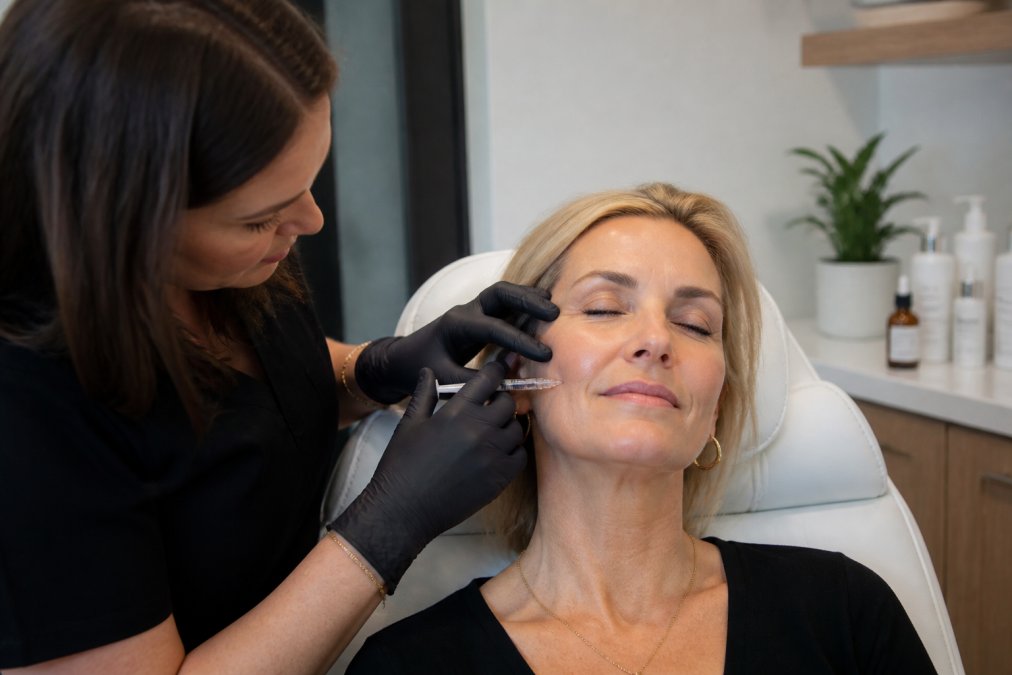
The key to natural results lies in starting conservatively. Many people worry about looking "frozen" or overdone, but this typically happens with over-treatment or dramatic changes all at once. A better approach is to begin with subtle improvements, assess results after a few weeks, and adjust if needed. Providers specializing in natural outcomes avoid over-filling lips or cheeks, respect natural facial contours, and maintain appropriate proportions between features.
PuraBella Wellness focuses on aesthetic treatments that enhance rather than replace your natural features, ensuring your treatment plan aligns with how you want to look and feel.
How Anti-Aging Treatments Work and What They Target
Addressing Fine Lines and Wrinkles
Fine lines and wrinkles form through repeated facial movements, sun exposure, and loss of collagen and elastin. Dynamic lines appear only during facial expressions, while static lines remain visible at rest.
Anti-aging treatments target wrinkles by relaxing muscles that create expression lines or stimulating collagen production to plump and smooth skin. Botulinum toxin injections soften dynamic lines on the forehead, between eyebrows, and around eyes by blocking nerve-muscle signals. Dermal fillers add volume beneath fine lines, while laser treatments and microneedling trigger collagen formation that gradually fills wrinkles from beneath the surface.
Dynamic wrinkles respond well to muscle-relaxing injectables, while static wrinkles benefit more from fillers or collagen-stimulating treatments like microneedling or laser therapy.
Skin Tone and Texture Improvement
Uneven skin tone and rough texture result from photoaging, cumulative sun damage over decades. Age spots, hyperpigmentation, and dull complexion can make skin appear older than chronological age.
Fractional lasers like NeoGen remove damaged outer skin layers and stimulate collagen remodeling, revealing smoother, more even-toned skin. Multiple sessions gradually improve pigmentation irregularities and refine overall skin quality. Microneedling also improves texture by triggering collagen production and can be combined with topical treatments to address pigmentation.
How Long Do Non-Surgical Laser Skin Treatments Last
Results from non-surgical laser skin treatments vary by technology, intensity, and individual response. Initial improvements appear within days to weeks as swelling resolves and collagen remodeling begins, with full results developing over 2-3 months.
Most people maintain laser treatment results for 1-2 years before noticing gradual return of fine lines and texture changes. This timeline varies based on sun exposure, skincare habits, and individual aging rates. Annual touch-up sessions help preserve results and prevent new damage from accumulating.
Benefits of Peptide Therapy for Skin Health
Peptide therapy works at the cellular level to support skin health and collagen production. Peptides are short chains of amino acids that signal your body to produce more collagen, elastin, and other proteins essential for youthful skin.
Benefits include enhanced collagen synthesis, improved skin firmness, and better hydration at the cellular level. Unlike topical collagen products, peptide therapy works systemically to support skin regeneration from within. Many people notice improved skin texture, reduced fine lines, and a more luminous complexion after several weeks of consistent use.
Peptide therapy works synergistically with other non-surgical procedures. When combined with microneedling or laser treatments, peptides amplify the body's natural healing response and collagen production, potentially enhancing results beyond what either treatment achieves alone.
At PuraBella Wellness, peptide therapy is integrated into personalized wellness plans that address not just appearance but overall skin health. Our practitioners discuss peptide quality and sourcing during consultation, legitimate peptide therapy uses pharmaceutical-grade compounds from verified suppliers.
Best Practices for Post-Procedure Skin Recovery
Post-procedure care directly determines how quickly you heal and how well your results develop.
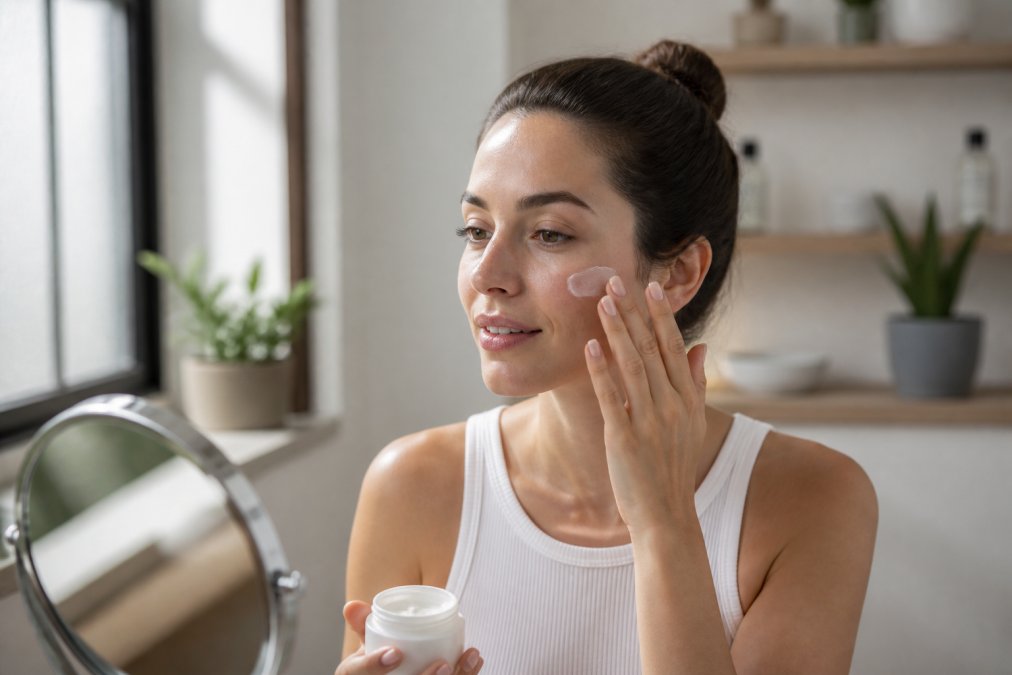
The first 24-48 hours after treatment are critical. Avoid strenuous exercise, hot showers, saunas, and direct sun exposure. Your skin barrier is temporarily compromised, making it vulnerable to irritation and infection. Stick to lukewarm water, gentle cleansing, and fragrance-free products. Mild redness, swelling, or tenderness are normal and typically resolve within days.
Hydration and moisturizing support healing. Use gentle, non-irritating moisturizers and avoid active ingredients like retinoids, vitamin C, or acids for at least one week post-procedure. These can irritate healing skin and interfere with collagen production.
Sun protection is non-negotiable. Newly treated skin is exceptionally vulnerable to UV damage, which can trigger hyperpigmentation and undo treatment benefits. Apply broad-spectrum SPF 30 or higher daily, reapplying every two hours if outdoors. Many practitioners recommend SPF 50+ for at least two weeks post-treatment.
Once initial healing completes (typically 5-7 days), gradually reintroduce supportive products like peptide serums, hyaluronic acid, and gentle retinoids to support collagen remodeling.
Safety, FDA-Cleared Technologies, and Skin Type Considerations
Safety depends on using FDA-cleared devices, proper technique, and realistic patient selection. The FDA regulates aesthetic devices to ensure they deliver intended results safely when used as directed.
However, FDA clearance doesn't mean every device is appropriate for every person. Skin type, classified using the Fitzpatrick scale from Type I (very fair) to Type VI (very dark), significantly affects treatment safety and outcomes. Darker skin types are more prone to post-inflammatory hyperpigmentation and require lower laser settings and more conservative approaches (the American Academy of Dermatology).
Contraindications exist for many procedures. Recent oral isotretinoin use, active skin infections, certain medications, and pregnancy typically preclude treatment. Be transparent about your medical history during consultation. According to FDA guidance on aesthetic devices, practitioners should verify device clearance status and understand their specific approved uses.
Choosing the Right Non-Surgical Anti-Aging Procedure for You
Selecting the right procedure requires honest assessment of your goals, skin condition, and realistic expectations about results and downtime.
Start by identifying your primary aging concerns: dynamic wrinkles, static lines, volume loss, uneven skin tone, rough texture, or skin laxity. Different procedures address different concerns. Consider your downtime tolerance, microneedling and laser treatments require 3-7 days of visible healing, while injectables allow immediate return to normal activities.
Evaluate your skin type and any history of pigmentation issues. If you have darker skin or hyperpigmentation history, certain laser treatments require modified protocols. Think about combination treatments, many people achieve better results by pairing complementary procedures like microneedling with dermal fillers or laser treatment with peptide therapy.
Budget for maintenance. Non-surgical anti-aging results aren't permanent. Plan for touch-up treatments to sustain your appearance. At PuraBella Wellness, the consultation process focuses on understanding your unique goals and designing a personalized treatment plan based on your specific concerns, skin condition, and preferences.
Research from American Academy of Dermatology guidelines on aesthetic procedures emphasizes the importance of patient education and realistic expectations. The best outcomes occur when patients understand what each procedure does, what results are realistic, and what maintenance looks like.
| Procedure | Primary Benefit | Typical Downtime | Best For |
|---|---|---|---|
| Dermal Fillers | Volume restoration | Minimal (1-2 days) | Cheeks, lips, under-eye hollows |
| Botulinum Toxin | Expression line smoothing | None | Forehead, crow's feet, between brows |
| Fractional Laser | Skin texture and tone | 3-7 days | Fine lines, age spots, overall rejuvenation |
| Microneedling | Collagen stimulation | 3-5 days | Fine lines, texture, mild scarring |
| Radiofrequency | Skin tightening | Minimal | Jaw definition, neck laxity |
| Peptide Therapy | Collagen support | None | Systemic skin health enhancement |
The landscape of non-surgical anti-aging has evolved dramatically, offering sophisticated alternatives to invasive surgery. Whether you're addressing fine lines, volume loss, or overall skin quality, effective non-surgical options exist that deliver natural-looking results with minimal disruption to your life. The key is choosing treatments aligned with your specific concerns and maintaining realistic expectations about results and longevity. At PuraBella Wellness, we combine advanced technologies like NeoGen and Artemis TShape2 lasers with personalized peptide therapy and comprehensive skincare guidance to help you achieve your aesthetic goals. Schedule a consultation to discuss which non-surgical anti-aging procedures make sense for your unique situation and develop a treatment plan designed specifically for you.
Frequently Asked Questions
How long do results from non-surgical anti-aging procedures typically last?
Results vary by treatment type. Dermal fillers typically last 6 to 18 months depending on the product and area treated. Laser skin rejuvenation results improve over weeks to months and can last 1 to 2 years with maintenance sessions. Injectables like Botox require touch-ups every 3 to 4 months. Maintenance sessions extend longevity, and combining procedures often produces longer-lasting results. Your practitioner can discuss expected timelines during your consultation.
Are non-surgical anti-aging treatments safe for all skin types?
Most non-surgical treatments are safe across different skin tones and types when performed by qualified professionals. However, certain laser and light-based therapies require adjustment for darker skin types to minimize risk of hyperpigmentation or hypopigmentation. Skin type, sensitivity, and medical history all affect which procedures are appropriate. A thorough consultation with an aesthetic professional ensures the right treatment plan for your skin's unique characteristics and goals.
What are the benefits of peptide therapy for skin health and anti-aging?
Peptide therapy supports collagen production and skin elasticity from within, promoting skin firming and reducing the appearance of fine lines over time. Peptides signal your body to repair and regenerate skin cells, improving skin texture and tone. When combined with non-surgical aesthetic treatments, peptide therapy enhances overall results and supports skin health between maintenance sessions. Results develop gradually, typically visible within 4 to 8 weeks of consistent treatment.
What should I expect during recovery from non-surgical skin rejuvenation?
Recovery depends on the procedure. Most non-invasive treatments have minimal downtime; you may return to normal activities immediately or within 24 hours. Mild redness, swelling, or tenderness may occur and typically resolves within a few days. Avoid intense exercise, direct sun exposure, and certain skincare products immediately after treatment. Following post-procedure care instructions, including gentle cleansing, hydration, and sunscreen use, supports optimal healing and results. Your provider will give you specific aftercare guidelines.