 listicle
Peptide Therapy Reviews for Skin Health: 2026 Guide
Table of Contents
- How We Reviewed Peptide Therapy for Skin Health
- Injectable vs Topical Peptides: Which Delivery Works Better?
- Top Peptide Therapy Reviews for Skin Health
- Best Peptides for Anti-Aging: What the Evidence Shows
- Peptide Therapy Safety and Regulations: What You Need to Know
- Pairing Peptides With Other Ingredients and Treatments
- Long-Term Maintenance With Peptide Therapy
- Conclusion
- Frequently Asked Questions
Last Updated: September 12, 2026
How We Reviewed Peptide Therapy for Skin Health
Peptide therapy reviews for skin health are only useful when they separate marketing claims from what a formulation can actually do. At PuraBella Wellness, we evaluate each option on ingredient transparency, delivery method, supporting evidence, and routine fit. Peptide therapy uses short amino acid chains to support skin structure, barrier function, and visible signs of aging, delivered topically or through injection.
We scored every product and service on four criteria:
- Formulation transparency: Are peptide types and concentrations disclosed?
- Delivery method: Does it reach the dermis, or sit on the surface?
- Evidence quality: Is the peptide backed by dermatological research?
- Routine fit: Can a real person use it consistently?
That framework matters: the category is crowded with products that name a peptide on the label and underdose it in the bottle.
Injectable vs Topical Peptides: Which Delivery Works Better?
Injectable peptides win on bioavailability; topicals win on convenience and safety. Molecular weight decides most of this: large peptides and growth factors struggle to cross the skin barrier, so topicals rely on smaller signal and carrier peptides to reach the dermis.
Injectable therapy bypasses that barrier entirely. Compounds like GHK-Cu, BPC-157, and growth hormone-releasing peptides such as sermorelin or CJC-1295 enter circulation directly, serving systemic goals like tissue repair, recovery, and collagen synthesis.
| Factor | Topical Peptides | Injectable Peptides |
|---|---|---|
| Absorption | Limited by molecular weight | Direct systemic absorption |
| Best for | Fine lines, texture, barrier support | Skin firmness, repair, whole-body aging |
| Oversight | None required | Prescription and clinical monitoring |
| Commitment | Daily application | Scheduled protocol |
A common mistake is expecting a serum to do the work of an injectable. For deep tissue quality and dermal matrix support, topicals rarely get there alone.
Top Peptide Therapy Reviews for Skin Health
Each option below serves a different buyer, so we ranked them by use case rather than pretending one wins everything.
PuraBella Wellness
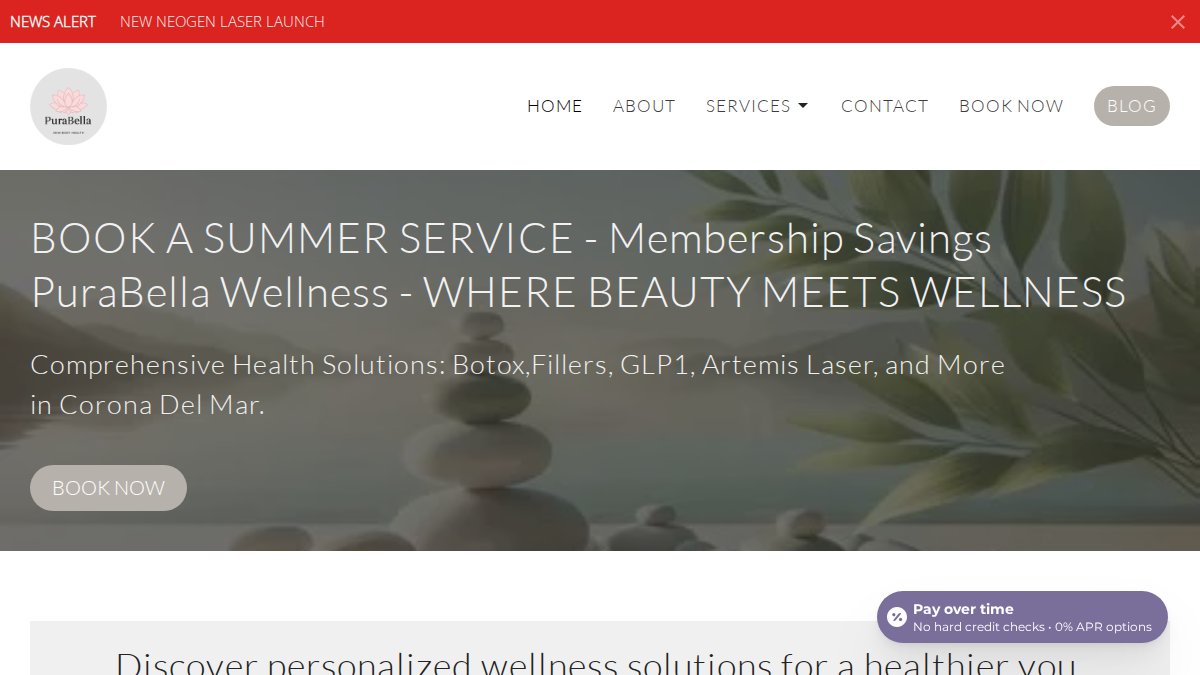
Our top pick for anyone who wants peptide therapy as part of a supervised, personalized plan rather than a standalone purchase. PuraBella Wellness combines medically overseen peptide therapy with medical aesthetics, including NeoGen and Artemis TShape2 laser procedures, so skin rejuvenation and systemic wellness are handled together.
Best for: Adults who want clinical oversight, personalization, and a plan that pairs peptides with complementary treatments.
Pros: Personalized protocols; combined aesthetics and wellness services; experienced practitioner team. Cons: Requires an in-person consultation; pricing is quoted per plan.
Eighth Day The Regenerative Serum
A premium topical built around a proprietary peptide, growth factor, and amino acid blend targeting barrier function and skin texture. The tradeoff is price: at $325, you are paying for a luxury formulation rather than a clinically dosed injectable.
Best for: Buyers who want a high-end topical and will apply it daily.
Pros: Rich active profile; addresses multiple aging signs. Cons: Expensive; results depend on consistent use.

SkinCeuticals P-Tiox
P-Tiox goes after expression lines with a concentrated peptide complex, positioned as a non-invasive alternative to injectables. It absorbs quickly and layers well under sunscreen, but needs weeks of daily use and will not replicate a neuromodulator.
Best for: Early fine lines and dynamic wrinkles.
Pros: Reputable clinical brand; lightweight texture. Cons: Slow onset; requires daily commitment.
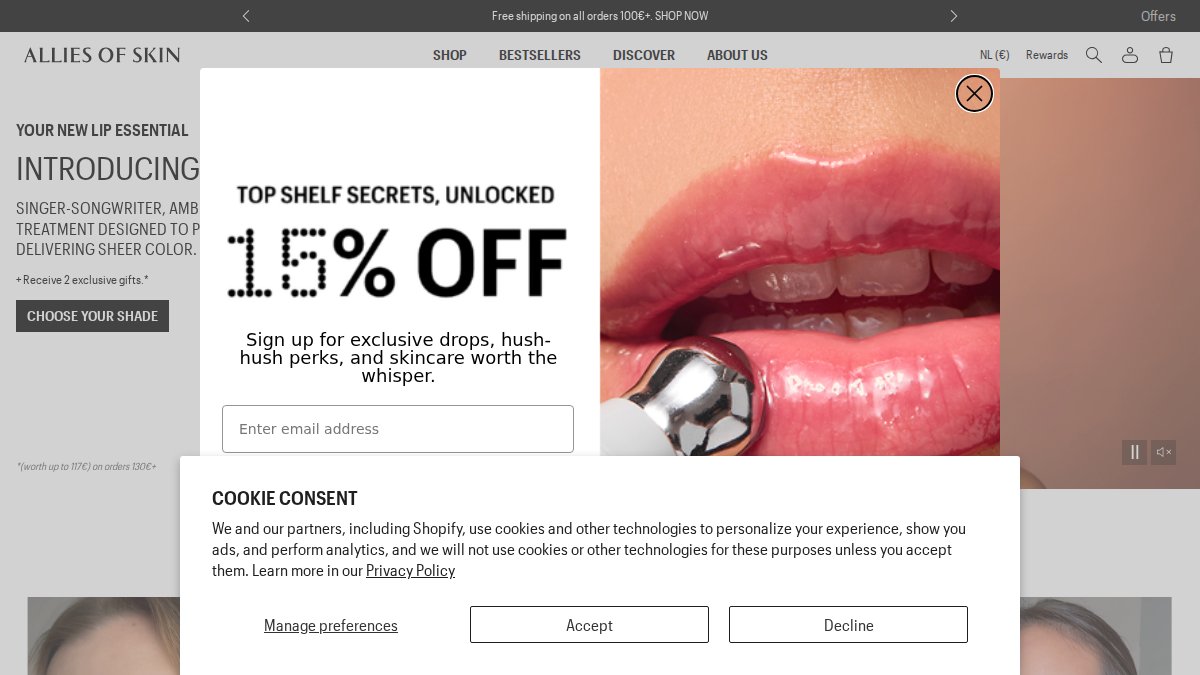
Allies of Skin Multi Peptides & GF Advanced Lifting Serum
This one leans into elasticity: the multi-peptide and growth factor combination is designed for firming and lifting and suits drier, mature skin. Very oily skin may find the texture heavy.
Best for: Loss of elasticity and sagging.
Pros: Comprehensive ingredient profile; strong firming positioning. Cons: Too rich for oily skin types.
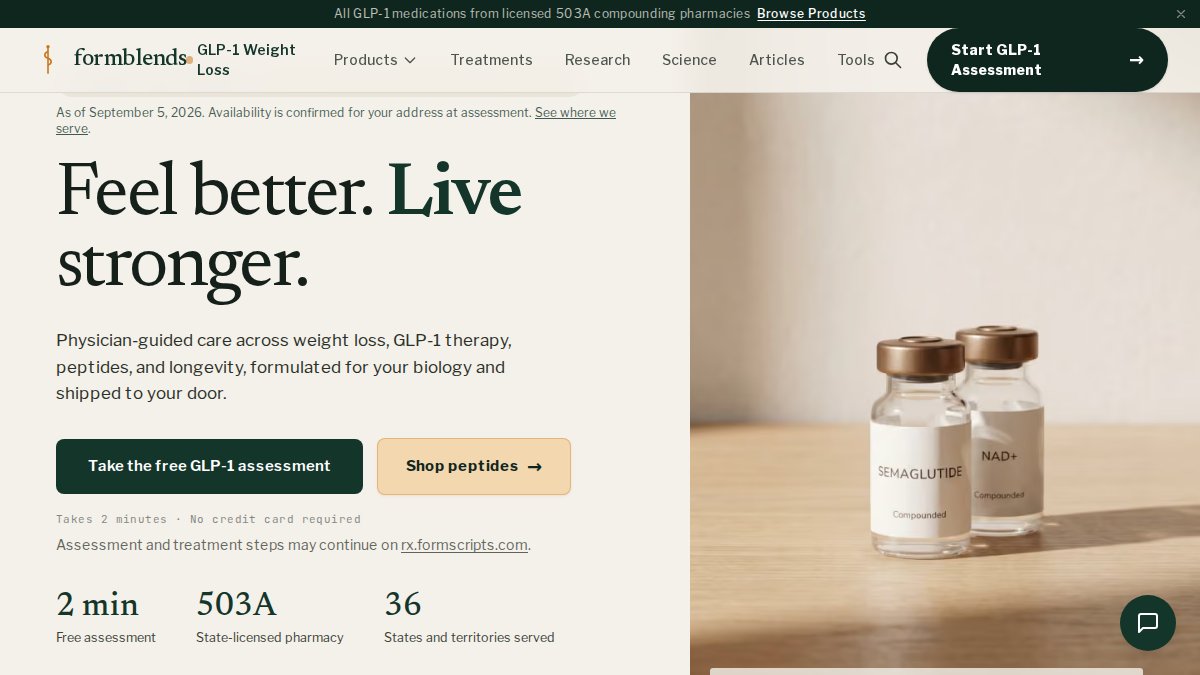
FormBlends Peptide Therapy
A clinical subscription service providing injectable and specialized peptide protocols with personalized dosing guidance and a focus on regenerative compounds like GHK-Cu. At $199/month, it covers oversight rather than a single product, and requires a consultation and prescription before anything ships.
Best for: Patients wanting supervised injectable therapy.
Pros: Medical supervision; customized plans. Cons: Requires consultation; ongoing cost.
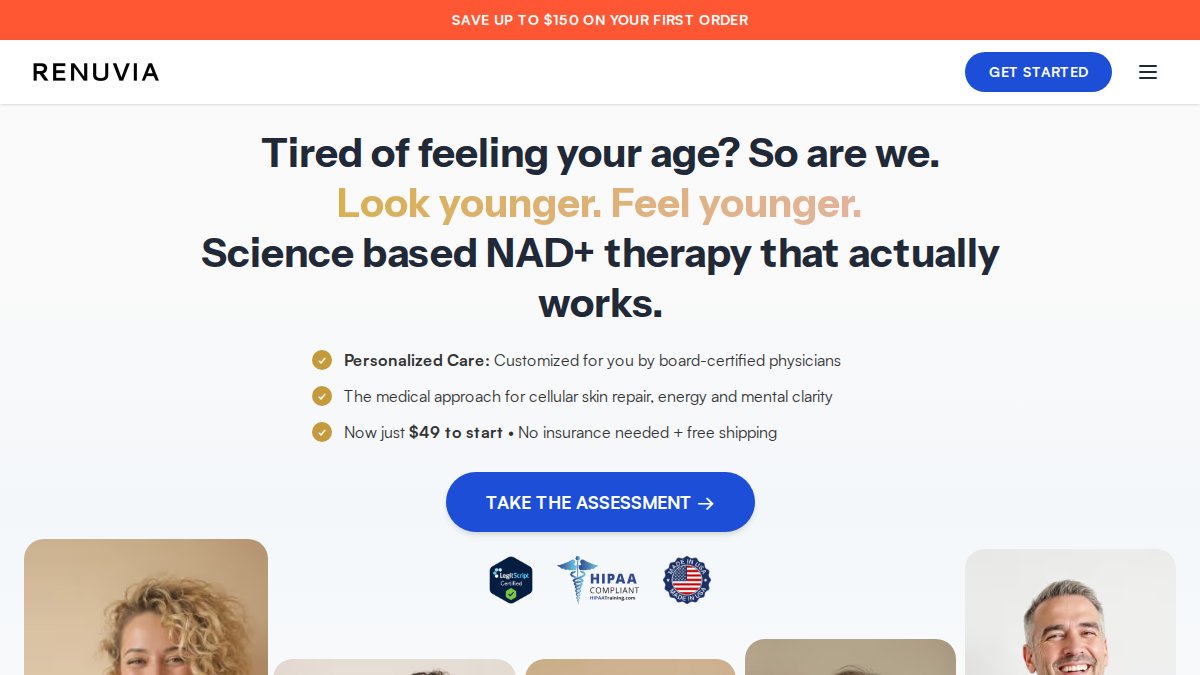
RenuviaRX Injectable Peptide Therapy
RenuviaRX focuses on systemic anti-aging and recovery through injectable delivery, giving higher bioavailability than any topical here. Pricing is provided at consultation, and injections are not suitable for everyone.
Best for: Systemic anti-aging beyond skincare.
Pros: Higher bioavailability; whole-health approach. Cons: Injection-based; screening required.
Best Peptides for Anti-Aging: What the Evidence Shows
Not all peptides are interchangeable, and the ones with the deepest dermatological literature are not always the loudest on labels. Here is how the main classes work.
The four functional classes
- Signal peptides. Fragments, often derived from collagen breakdown products, that trick fibroblasts into ramping up collagen, elastin, and other matrix components. Common examples include palmitoyl tripeptide-1, palmitoyl tetrapeptide-7, and the matrixyl family, the mechanism behind most "firming" claims. The catch: they must reach living fibroblasts in the dermis, and molecular weight plus vehicle determine whether they get there.
- Carrier peptides. These ferry trace elements into the skin. GHK-Cu is the best-known, delivering copper, a cofactor for enzymes involved in collagen cross-linking and wound repair. Manganese- and copper-binding peptides work the same way; because the metal ion does much of the work, the peptide is a delivery system, not the active itself.
- Neurotransmitter-inhibiting peptides. Often called "botox-like" peptides, these (for example, acetyl hexapeptide-8) interfere with neurotransmitter release at the neuromuscular junction, softening expression lines. Evidence for topical versions is far weaker than for injectable neuromodulators, and any article implying otherwise is overselling.
- Enzyme-inhibiting peptides. These block enzymes like tyrosinase or matrix metalloproteinases (MMPs) that break down collagen. Soy- and rice-derived peptides are common here, more often positioned around brightening or photoprotection than firming.
What the evidence actually supports
GHK-Cu has the longest research record of any skin peptide, studied for decades in wound healing and tissue repair before becoming a cosmetic ingredient. Signal peptides have solid in-vitro and some clinical data showing improvement in fine lines and firmness over 8 to 12 weeks of consistent use. Carrier peptides have good mechanistic support but fewer large cosmetic trials.
What the evidence does not support is treating any single peptide as a facelift substitute. Topical peptides can improve hydration, fine lines, and perceived firmness over time, but they do not restructure a dermal matrix the way a clinical injectable protocol or energy-based device can. A serum claiming to "rebuild collagen" describes a mechanism, not a measured outcome.
Concentration and delivery matter more than the name on the label
A peptide on an ingredient panel tells you almost nothing about whether it will do anything. Three variables decide the outcome:
- Concentration. Many peptides are effective in the low single-digit percentages, but formulators often use far less because peptides are expensive. If a brand will not disclose concentration, assume it is cosmetic rather than clinical.
- Molecular weight. Peptides above roughly 500 Daltons struggle to cross intact skin (PubMed). Smaller fragments and those paired with penetration enhancers have a better shot.
- Vehicle and pH. Peptides are fragile. The wrong pH, the wrong preservative system, or a poorly designed emulsion can degrade them before they ever touch your skin.
The clinical-vs-consumer-grade distinction
This is the gap most reviews skip. A consumer serum is formulated for shelf stability, texture, and mass production, while a clinical protocol, compounded topical or injectable, is dosed for a specific patient with verified potency. They are not interchangeable, and treating them as such is why some people conclude peptides "don't work."
Peptide Therapy Safety and Regulations: What You Need to Know
Safety in this category depends almost entirely on where the peptide comes from and who supervises it. The regulatory picture is genuinely confusing, so it is worth walking through.
How peptides are regulated
The FDA does not approve peptides as a drug class (the FDA). Individual peptides are regulated by intended use and status under the Federal Food, Drug, and Cosmetic Act. A handful are FDA-approved as prescription drugs for specific indications; many others are legally available only through state-licensed compounding pharmacies operating under Section 503A or 503B, and only with a patient-specific prescription from a licensed prescriber (the FDA).
A large group of peptides sits in a gray zone, sold as "research chemicals" or "not for human consumption" to sidestep the prescription requirement. That label is a legal fig leaf, not a safety guarantee: buying from that channel removes every safeguard, no prescription, no dosing oversight, no sterility assurance, and no recourse if something goes wrong.
The research-chemical problem
The most common source of safety complaints here is unverified online sellers. A few patterns are worth knowing:
- No certificate of analysis (COA). Legitimate suppliers publish third-party COAs showing purity and identity. If a seller will not share one, assume the worst.
- No sterility testing. Injectable compounds must be sterile. A vial that was never tested for endotoxins or microbial contamination is a direct infection risk.
- Wrong or underdosed peptide. Independent testing of gray-market vials has repeatedly found that the labeled peptide is not what is inside, or is present at a fraction of the stated dose.
Side effects by delivery route
Topical peptides. The risk profile is low. The most common complaint is irritation or contact dermatitis, usually caused by a supporting ingredient, fragrance, preservatives, or a high-concentration acid, rather than the peptide itself. Copper peptides can occasionally irritate sensitive skin and should not be layered directly with strong acids.
Injectable peptides. The risk profile is meaningfully higher. Reported side effects of growth hormone-releasing peptides like sermorelin and CJC-1295 include injection-site reactions, flushing, headache, and changes in appetite or sleep. BPC-157, often marketed for recovery, has far less human safety data than its popularity suggests. GHK-Cu injectables are used in some clinical settings but are not FDA-approved for cosmetic indications.
Anyone pregnant, nursing, with a history of hormone-sensitive cancer, or managing a chronic condition should clear any peptide protocol with a qualified clinician first. This is general information, not individual medical advice.
Questions to ask before you start
- Is this peptide FDA-approved, compounded under 503A/503B, or sold as a research chemical?
- Who is the prescribing clinician, and what is their licensure?
- What is the source pharmacy, and can I see a COA?
- What is the dosing protocol, and how will it be monitored?
- What are the stop criteria if I have a bad reaction?
Pairing Peptides With Other Ingredients and Treatments
Pairing is where results compound and where formulas fail. The most useful combinations:
- Peptides with vitamin C: supports collagen synthesis, but apply at different times if your skin is reactive.
- Peptides with retinoids: alternate nights rather than layering, since both can irritate.
- Peptides with niacinamide: generally well tolerated and supports barrier function.
- Peptides with laser or energy-based treatments: allow the skin to recover first, then reintroduce peptides to support tissue quality.
Long-Term Maintenance With Peptide Therapy
Peptide therapy is a maintenance category, not a one-time fix: results build and then plateau unless you keep going. Topical users typically see improvement in firmness and fine lines across several weeks of daily application, with gains reversing if they stop.
Injectable protocols follow similar logic: growth hormone-releasing peptides and regenerative compounds are cycled under supervision, with periodic blood work and dose adjustment. Long-term maintenance usually means:
- A set application or injection schedule you actually keep
- Periodic reassessment of dose and formulation
- Supportive habits: sun protection, hydration, sleep quality
- Seasonal adjustments when photodamage repair needs more attention
Conclusion
The hardest part of peptide therapy is not choosing a product but knowing whether what you are buying is legitimate, correctly dosed, and matched to your goal. That is the gap a supervised plan closes.
At PuraBella Wellness, peptide therapy is delivered as part of a personalized wellness plan, combining clinical oversight with medical aesthetics such as NeoGen and Artemis TShape2 laser treatments, a protocol built around your skin and health goals rather than a shelf product chosen by guesswork.
Book a consultation with PuraBella Wellness to find out which peptide approach fits your goals.
Frequently Asked Questions
Do peptides applied to the skin actually work?
Topical peptides can support skin health by signaling processes like collagen synthesis and elastin production, but results depend on molecular weight and the peptide delivery system. Smaller peptides absorb more readily through transdermal absorption. Clinical research shows improvements in fine lines and wrinkles and skin firmness with consistent use, typically over 8 to 12 weeks. They are not a substitute for injectable therapy when deeper structural change is the goal.
Are injectable peptides more effective than topical serums?
Injectable therapy bypasses the skin barrier, giving peptides higher bioavailability for systemic effects such as fibroblast stimulation and tissue repair. Topical application delivers peptides directly to the skin surface and upper layers, which suits surface-level concerns like hydration and texture. The right choice depends on your goals, and a consultation with a qualified professional can help you weigh injectable vs topical peptides for your specific needs.
What are the most common side effects of peptide therapy?
Topical peptides may cause mild irritation, redness, or itching at the application site, especially when combined with exfoliating acids. Injectable therapy can cause injection-site reactions such as bruising or soreness. More serious risks depend on the specific compound and whether it is used under medical supervision. Always discuss your health history with a licensed provider before starting peptide therapy.
How long does it take to see results from peptide therapy for skin?
Topical serums often show early improvements in hydration levels within two to four weeks, with visible changes in fine lines and wrinkles appearing after eight to twelve weeks of daily use. Injectable protocols may produce systemic effects sooner, but skin rejuvenation results build gradually. Long-term maintenance protocols, including consistent application or scheduled treatments, are key to sustaining results.
What should I look for in a professional peptide therapy consultation?
A thorough consultation should cover your skin goals, health history, and any medications. The provider should explain the difference between clinical and consumer-grade peptides, discuss peptide therapy safety and regulations, and clarify whether the product is FDA-approved for its intended use. Ask about the source and purity of any injectable compound, and request a personalized plan with realistic timelines rather than a one-size-fits-all package.